
Best Hair Color for Dusky Skin: Natural, Warm, and Bold Shades
Choosing the right hair color for dusky skin doesn’t have to feel like guesswork. With the right shades, your skin can look radiant, warm, and effortlessly glowing. The wrong ones? They can wash you out or make your complexion look dull.
This guide covers everything, from understanding your undertone to the best browns, reds, blondes, and bold shades that genuinely complement dusky skin tones.
What Is Dusky Skin Tone and Why Undertone Matters
Dusky skin sits in the medium-to-deep range on the skin tone spectrum. It’s rich, warm, and carries a beautiful depth that many lighter shades simply can’t replicate. Think of it as the range between a warm olive and a deep brown, often seen in South Asian, Middle Eastern, Latin, and African skin tones.
But here’s the thing: skin tone and undertone are not the same. Your skin tone is what you see on the surface. Your undertone is the subtle hue underneath that stays constant, whether you’re tanned or pale.
Undertone falls into three categories:
- Warm, golden, yellow, or peachy hues beneath the skin
- Cool, pink, red, or bluish hues
- Neutral, a mix of both warm and cool
Why does this matter for hair color? Because the right hair shade should work with your undertone, not against it. A mismatch creates visual disharmony. A good match makes your whole face look brighter and more alive.
The Science: Why Warm Hair Colours Flatter Melanin-Rich Skin
Melanin-rich skin has a natural chromatic warmth built into it. When you pair it with hair shades that carry similar warm pigments, think copper, bronze, auburn, and rich brown, there’s a visual resonance that just works.
Warm hair tones reflect copper and bronze light in a way that amplifies the glow of dusky skin. The pigments don’t clash. Instead, they create depth and dimension that feels natural.
Cool-toned or ashy shades, on the other hand, can pull the warmth out of your skin. They create a grey, flat effect that works beautifully on fair skin but tends to dull the richness of darker complexions.
That said, some cool tones, like deep plum, midnight blue, or violet, can work brilliantly on dusky skin when used strategically. The key is contrast and saturation.
Read More: The Ultimate Guide to Healthy, Beautiful Nails: Expert Nail Care Routine
How to Identify Your Undertone (Warm, Cool, or Neutral)
You don’t need a professional colorist to figure this out. A few simple checks will do.
Look at your wrist veins in natural light. Green or olive veins point to a warm undertone. Blue or purple veins suggest a cool undertone. A mix of both means you’re likely neutral.
Try the jewelry test. Does gold jewelry make your skin glow? You’re probably warm-toned. Does silver look more flattering? You might lean cool. Both work equally well? You’re neutral.
You can also check how your skin reacts to sun. Warm undertones tend to tan easily and rarely burn. Cool undertones burn first, then tan.
Knowing this helps with undertone matching strategy, a crucial step before picking any shade at your salon.
How to Choose the Best Hair Colour for Dusky Skin
The hair color for dusky skin that works best depends on three things: your undertone, your natural hair color, and how much maintenance you’re willing to commit to.
Start by identifying your undertone (covered above). Then think about how far you want to go from your natural hair color. The greater the lift or contrast, the more bleaching involved, and the more upkeep required.
Here’s a simplified decision framework:
- Warm undertone + dusky skin: Go for auburn, mahogany, cinnamon, honey brown, or copper balayage
- Cool undertone + dusky skin: Try plum, deep burgundy, espresso, or cool chestnut
- Neutral undertone + dusky skin: You’re lucky, most shades work. Chocolate brown and caramel highlights are safe bets.
Also consider your hair density evaluation before colouring. Thick, dense hair holds color differently than fine hair. Your colorist should assess this before applying any formula.
Best Brown Hair Colours for Dusky Skin
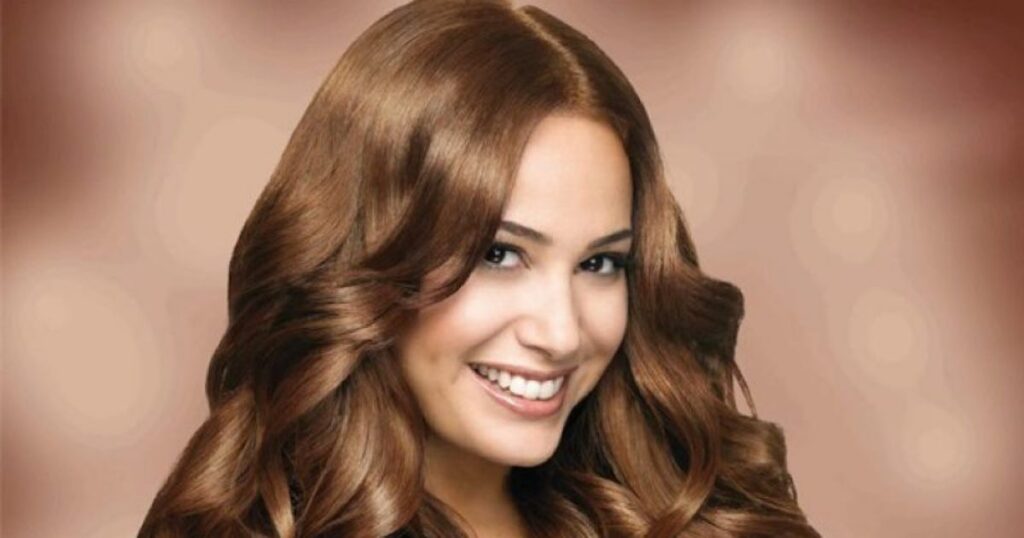
Brown is the most universally flattering color family for dusky complexions. But not all browns are created equal.
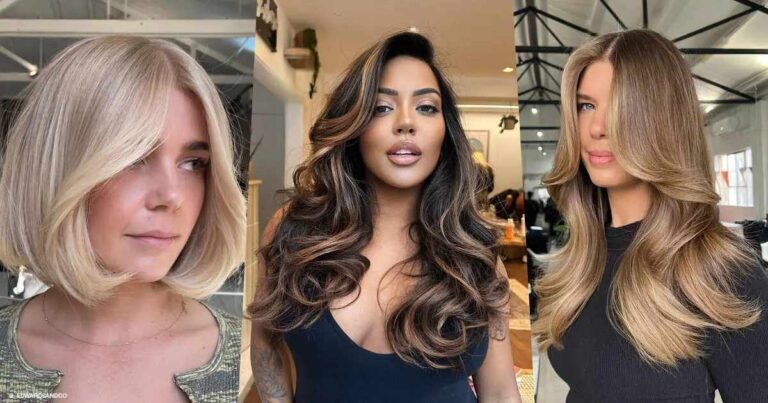
Chocolate brown hair color for dark skin adds richness and depth without looking too dramatic. It works on almost everyone with a dusky tone.
Espresso brown hair shade is deeper and more intense. It’s perfect if you want to enhance your natural dark hair with a richer, more polished look.
Cinnamon brown hair shade brings warmth and a touch of spice. It works especially well on those with warm undertones and gives a natural sun-kissed effect.
Chestnut brown for Indian skin is another classic. It has red-brown pigments that complement the golden undertones common in South Asian skin beautifully.
Mahogany brown hair color sits at the intersection of brown and red, making it one of the most elegant and low-maintenance choices for dusky skin.
Best Red and Burgundy Shades for Dusky Complexion
Red is bold, but it’s also one of the most flattering color families for hair color ideas for dusky complexion.
Auburn hair color for warm undertones is a classic. The mix of red and brown creates warmth without feeling too intense.
Burgundy hair color on dusky skin is incredibly popular for good reason. The deep red-violet tones create a stunning contrast against brown skin and enhance the natural richness of melanin-rich skin tones.
Plum hair color for dusky tone works similarly. It’s a cool-leaning red-violet that adds drama and sophistication. Think deep wine, not bright violet.
Red hair color for dark complexion is most effective when kept rich and saturated. Thin, washed-out reds look cheap. Opt for deep reds, think garnet, ruby, or dark cherry.
Controlling brassiness control for warm tones is important once you go red. Use a color-safe conditioner and avoid washing hair too frequently.
Best Blonde Highlights for Dusky Skin
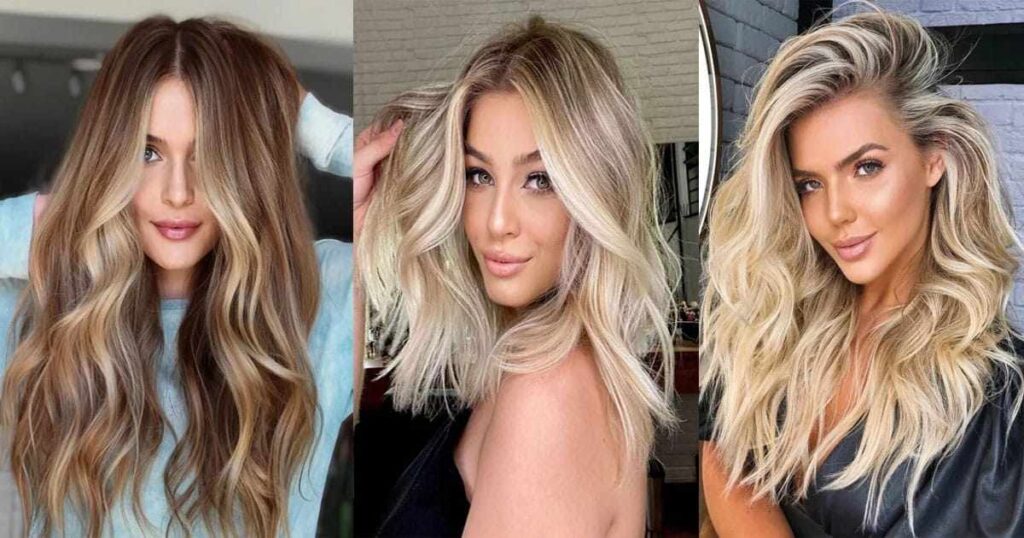
Going fully blonde on dusky skin can be tricky, but strategic blonde highlights? Absolutely stunning.
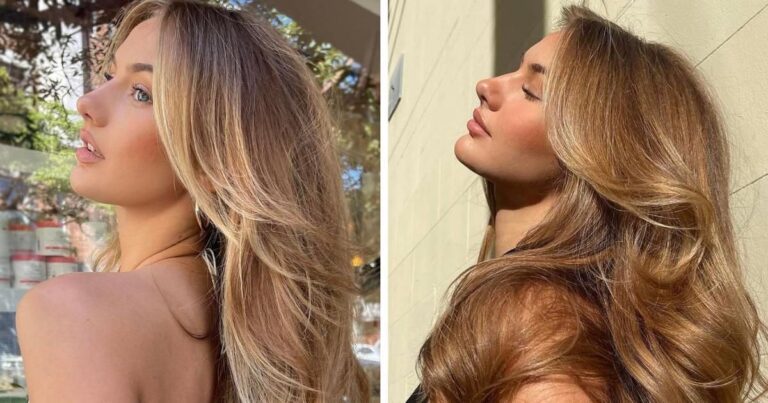
Honey blonde for dusky skin is one of the best choices. The golden tones mirror the warmth in your complexion, creating a natural glow.
Caramel highlights on brown skin are low-maintenance and universally flattering. They blend naturally with dark hair and require minimal bleaching.
Avoid platinum or ash blonde highlights. They can look harsh and create high contrast that washes out your skin tone rather than enhancing it.
The best approach is balayage placement technique, where highlights are hand-painted to sit naturally around the face and ends. This avoids the harsh, stripy look of traditional foiling.
Bold Hair Colours That Look Stunning on Dusky Skin
Don’t be afraid to experiment. Dusky skin can carry bold shades with serious elegance.
Midnight blue hair for dusky skin creates a cool, dramatic look that’s surprisingly flattering. The deep blue plays well against warm brown skin because of the strong contrast.
Magenta hair color for Indian skin is a vivid, eye-catching choice. It works best as an accent or balayage rather than an all-over color.
Deep teal, forest green, and jewel-toned purples also work well. The key is saturation, go deep, not pastel. Pastel shades tend to look faded or dull against darker skin tones.
For bold colors, use ammonia-free hair dye formulations wherever possible. They’re gentler on your hair and help preserve the vibrancy of the color longer.
Mahogany Brown: The Safest Elegant Choice
If you’re new to coloring your hair and don’t know where to start, mahogany brown is your safest bet.
It’s a rich, multi-dimensional shade that blends brown and red-violet pigments. It doesn’t require heavy bleaching, it grows out gracefully, and it suits almost every dusky skin tone.
The red-violet pigment balance in mahogany works especially well with warm and neutral undertones. It adds visible depth and shine without looking unnatural.
Pair it with a gloss treatment for shine enhancement every few months, and your color will stay fresh and vibrant longer. Maintenance cycle of 4–8 weeks is typically enough to keep roots looking clean.
Ginger Ribbon Bronze Balayage: Glow and Dimension
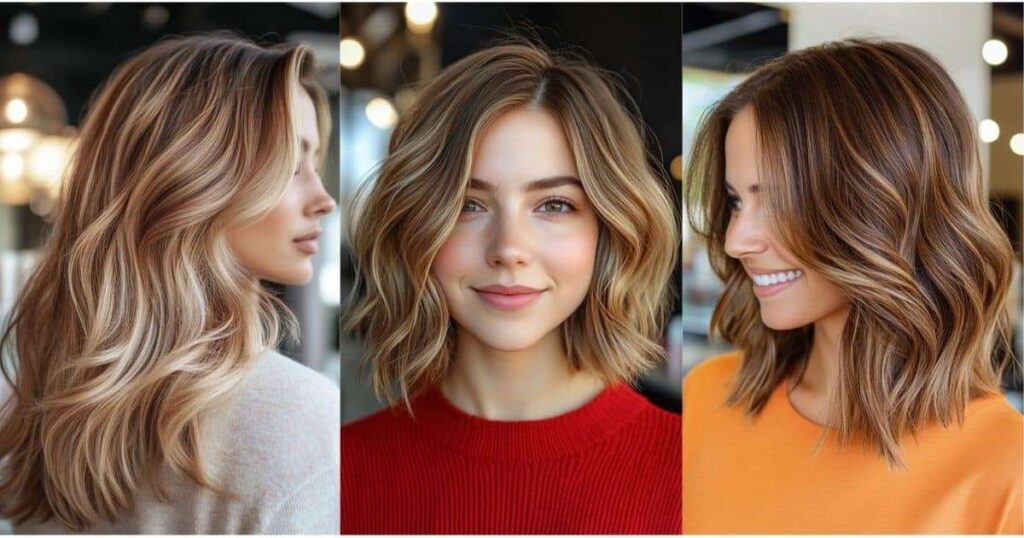
Ginger bronze balayage is one of the most sought-after techniques for dusky skin right now, and for good reason.
The technique involves painting warm ginger and bronze tones through mid-lengths and ends using a balayage or root-smudge color blending method. The result is a multi-tonal, sun-kissed effect that looks natural and dimensional.
It works beautifully because it mimics the way sunlight naturally lifts hair color. The copper and bronze tones play off melanin-rich skin to create a luminous glow.
This is a professional colour consultation job, don’t attempt it at home. Getting the placement wrong can result in patchy, uneven color.
Magenta (Modern Burgundy): A Statement Shade
Magenta sits between bright red and deep pink. It’s bold, modern, and surprisingly wearable on dusky skin.
Unlike traditional burgundy, magenta has a brighter, more vivid quality. It works best as a semi-permanent or demi-permanent color layered over dark brown hair without bleach.
The result is a rich, jewel-toned effect that catches the light beautifully. It doesn’t scream loud, it whispers drama.
For Indian skin tones specifically, magenta creates a beautiful chromatic warmth contrast. Your skin looks more vibrant, and the hair feels intentional and stylish.
Low-Maintenance Hair Colours for Dusky Skin
Not everyone wants to be at the salon every few weeks. Low maintenance hair color for dusky skin is absolutely possible.
Natural regrowth blending is the key principle here. Choose a shade that’s close to your natural hair color, just a tone or two warmer or richer. As your roots grow, the transition looks intentional rather than neglected.
Best low-maintenance options:
- Chocolate brown with subtle caramel highlights
- Espresso brown global color
- Root-smudged auburn balayage
- Global mahogany brown
These shades don’t require frequent touch-ups. A salon visit every 8–12 weeks is usually sufficient.
Using sulfate-free color-safe shampoo also extends color longevity significantly. It’s a simple habit that makes a real difference.
Hair Colours to Avoid for Dusky Skin Tones
Some shades genuinely don’t work well on dusky complexions, and it’s worth knowing them upfront.
Ash blonde and platinum are the biggest culprits. These shades have cool grey undertones that clash with warm, dusky skin. The result is a washed-out, sallow appearance.
Very light golden blonde can also be tricky. Without the right undertone balance, it can look orange or brassy as it fades.
Pastel colors, lavender, baby pink, mint green, rarely photograph or appear well on darker skin. The contrast is too low, so the color looks dull rather than playful.
Jet black is a special case. While jet black hair color for dark skin can look stunning, flat, one-dimensional jet black can make your complexion look harsh. If you love dark shades, opt for espresso or soft black with subtle warm undertones instead.
Balayage vs Global Colour: What Works Better?
Both techniques have their place, but they serve different goals.
Global hair color means applying one uniform shade all over. It creates a clean, polished look. It’s ideal for covering grey, going richer, or making a dramatic color change.
Balayage involves hand-painting color onto specific sections. It creates dimension, movement, and a more natural, sun-kissed finish. It requires less frequent touch-ups because there’s no hard root line.
For most people with dusky skin, balayage tends to be more flattering. The color dimension and depth it creates complements the natural warmth and richness of the complexion better than a flat, uniform shade.
That said, global color works brilliantly for shades like mahogany, burgundy, or chocolate brown, where you want full, saturated coverage.
Your colorist can help you decide based on your hair density, undertone, and lifestyle.
Can You Colour Dusky Hair Without Bleaching?
Yes, and this is great news.
No bleach hair color for dark hair is entirely possible when you’re going warmer or darker. Shades like mahogany, chocolate brown, auburn, burgundy, espresso, and even deep red can be applied directly over dark hair without any pre-lightening.
These colors work by depositing pigment on top of existing dark hair. They don’t lift the natural color, they enhance it.
The result is often a subtle, natural-looking shift. In direct sunlight, the color becomes visible. Indoors, it reads as a rich, lustrous dark brown.
This approach is gentler on your hair, avoids damage from bleach, and requires less maintenance. Bond-building hair color technology available in modern color formulas also helps protect hair integrity during the process.
Hair Colour Ideas for Men With Dusky Skin
Hair color for men with dusky skin follows the same principles, warm, rich, and undertone-matched.
Subtle highlights are the most popular option. Caramel or cinnamon streaks through dark brown hair create dimension without looking overdone.
For men who want a more dramatic change, auburn or deep copper tones work well. They’re bold enough to be noticeable but still feel masculine and intentional.
Global espresso or mahogany tones are a great way to add richness and polish to natural dark hair. They work especially well on men with short to medium-length styles.
Avoid anything too light or ashy. Ash tones can make warm skin look grey and tired. Stick to warm, earthy shades for the most flattering result.
How to Maintain Hair Colour on Dusky Skin (Pro Tips)
Color fades. That’s a fact. But you can slow it down significantly with the right habits.
Use sulfate-free color-safe shampoo every time you wash. Sulfates strip color molecules from the hair shaft aggressively. Switching your shampoo alone can extend color life by weeks.
Wash your hair in cool or lukewarm water. Hot water opens the hair cuticle and lets pigment escape faster.
Invest in UV protection for colored hair. Sun exposure is one of the biggest causes of color fading. A UV-protectant spray or leave-in treatment helps lock pigment in.
Always use heat protection for dyed hair before using any styling tools. Heat weakens the bonds that hold color in place.
Schedule a gloss treatment every 6–8 weeks. It revives shine, refreshes tone, and makes color look freshly done without the cost of a full recolor.
Follow your colorist’s maintenance cycle recommendation, typically 4–8 weeks for roots and 8–12 weeks for balayage.
FAQ’s
Which hair colour is best for dusky skin with warm undertones?
Auburn, mahogany, cinnamon brown, and ginger bronze balayage are the top choices. They complement warm undertones by creating chromatic harmony with your skin’s natural pigment.
Can I go blonde with dusky skin?
Yes, but stick to warm blonde tones like honey or caramel highlights rather than platinum or ash blonde. Balayage technique works better than full global blonde for a natural, flattering result.
Is burgundy suitable for dusky skin tones?
Absolutely. Burgundy is one of the most universally flattering shades for dusky complexions. The deep red-violet tones enhance the warmth and depth of melanin-rich skin beautifully.
How often should I touch up hair colour on dusky skin?
For global color, every 4–6 weeks for roots. For balayage, every 8–12 weeks. Using color-safe products and avoiding excessive heat can extend this timeline noticeably.
Can I color my dark hair without bleaching?
Yes. Warm and dark shades like mahogany, chocolate brown, espresso, burgundy, and auburn can be applied directly over dark hair without bleach and still show up beautifully.

James Miller is a fashion writer and editor with over a decade of experience in style journalism, trend analysis, and brand consulting. His expertise spans luxury fashion, sustainable clothing, and cultural style movements. As the editorial lead at writeforusfashion, James combines creativity with credibility, ensuring content is accurate, engaging, and influential—building authority and trust in the ever-evolving fashion industry.