
Modern Mullet Fade Styles That Scream Confidence
Let’s be honest. The mullet has always had a reputation. For decades, it was the punchline of every bad hair joke. “Business in the front, party in the back” was never meant as a compliment. But somewhere between TikTok trends and Gen Z’s obsession with retro aesthetics, something shifted. The modern mullet fade walked in, cleaned up the mess, and turned heads in the best way possible.
This isn’t your dad’s mullet. Not even close. Today’s version is sharper, more intentional, and honestly pretty versatile. Whether you’ve got straight hair, curly coils, or wavy texture, there’s a mullet fade style waiting for you. And yes, some people are even wearing it to work now.
So if you’ve been curious about this haircut but aren’t sure where to start, you’re in the right place. Let’s break it all down.
Modern Mullet Fade Styles That Scream Confidence
Walk into any barbershop in 2025 and you’ll likely spot at least one person getting a modern mullet fade. It’s that popular. The style combines a tapered or faded side profile with longer, flowing length at the back. The result? A silhouette that feels bold without screaming “costume.”
What makes it scream confidence isn’t just the shape. It’s the attitude the cut carries. It says you know what you want, you don’t follow the crowd blindly, and you’re comfortable enough in your own skin to wear something unexpected. That kind of energy is magnetic.
The beauty of this haircut is in its range. You can go subtle with a low fade and a barely-there length difference. Or you can go full statement with a high skin fade and dramatic back length. Either way, it works. The modern mullet fade has this rare ability to adapt to your vibe instead of forcing you into a box.
Why the Modern Mullet Fade Is Trending Now
Trends don’t come back without a reason. The modern mullet fade didn’t just stumble onto people’s heads by accident. There are real cultural forces driving its rise, and once you understand them, the whole thing makes a lot more sense.
First, there’s the Gen Z factor. This generation has a serious love affair with anything that feels deliberately retro but refreshed. Think vintage band tees paired with modern sneakers. The mullet fade fits that exact aesthetic. It’s nostalgic, but it’s been updated enough to feel current and intentional rather than ironic.
Then there’s TikTok. The platform has an almost supernatural ability to resurrect styles from the past and give them a new audience. Mullet fade haircut transformations started going viral in early 2023 and haven’t slowed down since. Watching someone go from a basic cut to a sharp modern mullet in a 30-second clip is genuinely satisfying, and millions of people agreed.
There’s also a broader cultural shift happening. People are getting more comfortable with self-expression through appearance. Edgy men’s hairstyles that once felt risky are now celebrated. The mullet fade arrived right at the intersection of all these movements and planted its flag firmly.
Read More: Low Taper Fade White Male Haircut: Style and Complete Guide
Modern Mullet Fade vs. Classic Mullet: Key Differences
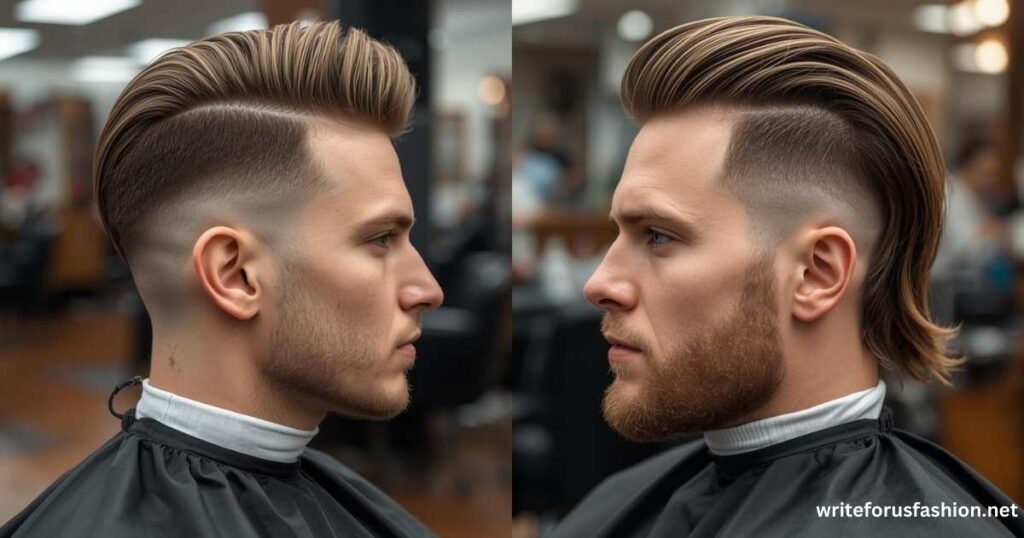
If you’re picturing the mullet from 1987, stop. Because the modern version shares almost nothing with that original silhouette except the general principle of shorter front and longer back.
The classic mullet was blunt, heavy, and uniform. The sides were often just trimmed with scissors and left with no real shape. The back was long, sometimes very long, and the whole thing had a kind of untamed quality that either looked cool on a rock star or deeply unfortunate on everyone else.
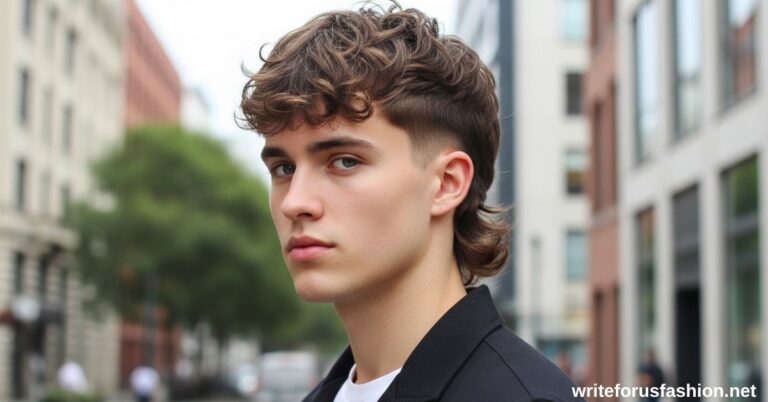
The modern mullet fade changes everything structurally. The sides now feature a clean fade, either a taper fade, burst fade, or skin fade depending on how dramatic you want to go. This creates a much sharper, more sculpted look. The top has more texture and movement. The back is shorter and more intentional, usually falling just at or slightly past the collar rather than down to the shoulders.
In short, the retro mullet haircut was defined by length. The modern version is defined by shape. That distinction is everything.
Popular Mullet Fade Variations to Know
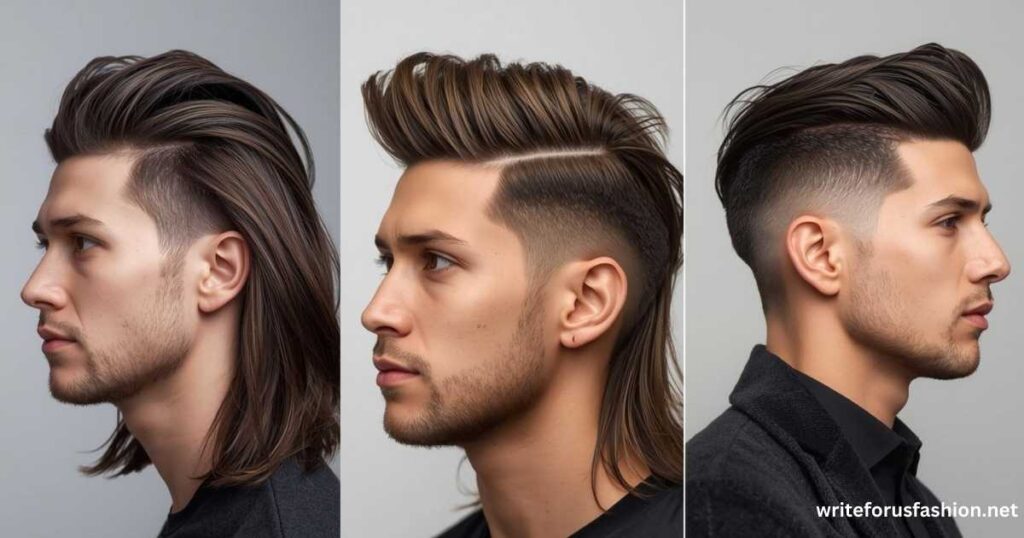
Not all mullet fades are created equal. There are several distinct variations, and each one carries its own personality. Knowing which one fits your style makes the whole process a lot easier.
The burst fade mullet is one of the most dramatic options. The fade radiates outward around the ear in a semicircular shape, creating a strong contrast between the shaved sides and the longer top and back. It’s bold, graphic, and undeniably eye-catching. If you want maximum impact, this is your move.
The taper fade mullet is a bit more restrained. The fade starts higher and gradually blends down toward the neck, creating a cleaner, more polished look. It’s still very much a statement, but it has a slightly more refined energy. Great for someone who wants the mullet vibe without going full theatrical.
The skin fade mullet takes contrast to its extreme. The sides are faded all the way down to the skin, which creates a razor-sharp silhouette. It looks incredibly clean and works especially well with straight hair or tightly coiled textures.
The undercut mullet style sits in its own lane. Instead of a gradual fade, the sides are disconnected sharply from the top, creating a very deliberate, almost architectural contrast. It’s the most geometric of the bunch and has a strong fashion-forward energy.
Then there’s the layered mullet haircut, which focuses more on texture and movement in the top and back sections. This one is particularly popular with wavy and curly hair because the layers let the natural texture breathe and express itself.
Modern Mullet Fades by Hair Type
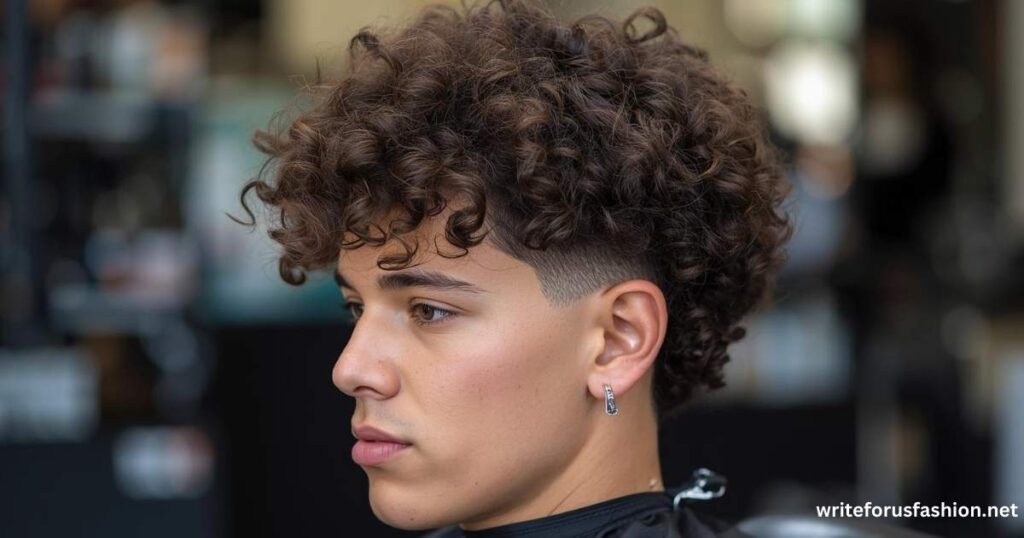
One of the strongest arguments for this haircut is how well it adapts to different hair textures. It doesn’t demand a specific type to look good. It works with what you’ve got.
If you have straight hair, the mullet fade for straight hair tends to look the most classic and clean. The lines are sharper, the fade is more visible, and the length contrast reads very clearly. You can add texture with a sea salt spray or matte paste to prevent it from looking flat.
The modern mullet fade for curly hair is genuinely stunning. Curly textures add volume and dimension to the top and back, which creates a beautiful shape without much effort. The curl pattern itself becomes part of the design. A diffuser on low heat and a curl-defining cream will keep things looking intentional rather than chaotic.
Wavy hair sits in a sweet spot. The modern mullet fade for wavy hair has a relaxed, effortless quality. The waves add movement without the volume of full curls, so the shape stays visible while still feeling loose and natural. This is the version that tends to get the most “wait, is that a mullet? It looks so good” reactions.
Face Shape and Mullet Compatibility Guide
Here’s something barbers don’t always tell you upfront. The mullet fade doesn’t flatter every face shape in exactly the same way. Adjusting a few elements based on your facial structure makes a significant difference.
If you have a round face, go for a mullet fade haircut for round face that adds height on top and keeps the sides tight. The vertical emphasis slims the face and creates the illusion of more length. A skin fade or high taper works well here. Avoid too much width or volume on the sides.
Square face shapes have strong jawlines and angular features. The mullet fade haircut for square face works beautifully because the haircut’s natural structure complements those hard lines. A medium fade with some texture on top balances the sharpness without fighting it.
Oval faces are the most forgiving shape for this haircut. Almost any variation works. If you’ve got an oval face, you have the freedom to experiment with burst fades, skin fades, or even the more dramatic undercut mullet without much risk.
Long faces benefit from a mullet fade that adds width rather than height. Keep the top shorter and let the back flow more. This creates a horizontal emphasis that balances the vertical length of the face.
Modern Mullet Fade for Every Personality
This is where the haircut really earns its versatility badge. Because the modern mullet fade isn’t a one-personality cut. It genuinely shifts based on how you style it and what variation you choose.
If you’re naturally laid-back and creative, the textured mullet hairstyle with a medium fade and natural movement is your ideal match. It looks like you woke up with great hair. Which, after a few styling sessions, you kind of will.
If you lean more toward a clean, put-together aesthetic, the taper fade mullet with structured styling on top communicates exactly that. Pair it with a neat wardrobe and it reads surprisingly professional.
If you’re expressive and love making an entrance, the burst fade mullet or skin fade with vivid color on the top section is your canvas. This is the version you see in fashion campaigns and at music festivals. It demands attention and makes no apologies for it.
For the minimalists out there, a low fade with barely-there length difference and a matte finish product keeps things interesting without overwhelming your overall look.
Styling and Maintenance Tips: From Barber to Daily Routine
Getting the cut is step one. Keeping it looking sharp is where most people either thrive or fall flat. Fortunately, the modern mullet fade is not a high-maintenance haircut if you follow a few simple guidelines.
Modern mullet fade maintenance tips start with one non-negotiable rule. Book a trim every three to four weeks. This is the sweet spot for keeping the fade crisp and the shape defined. Go longer than four weeks and the fade starts to grow out unevenly, which blurs the whole look.
For daily styling, less is usually more. A small amount of matte clay or texturizing paste worked through damp hair gives you natural-looking hold without the greasy finish. If you have curly or wavy hair, a lightweight curl cream applied to the back section while your hair is still wet will define the texture beautifully.
Knowing how to style a mullet fade also means knowing what not to do. Avoid heavy pomades that weigh the hair down, especially at the back. Skip the overuse of hairspray unless you want a stiff, helmet-like finish. Let the hair move a little. That movement is part of the appeal.
Washing every other day rather than daily helps maintain the natural oils that keep the hair healthy and textured. Over-washing strips those oils and makes the hair harder to style naturally.
What to Tell Your Barber: The Mullet Fade Breakdown
Walking into a barber chair and saying “give me a modern mullet” without further context is like ordering “food” at a restaurant. You’ll get something, but it might not be what you had in mind.
What to tell your barber for mullet fade starts with being specific about the fade type. Say whether you want a taper fade, skin fade, or burst fade. These are not interchangeable terms and they produce very different results.
Next, describe the fade height. Low fade sits just above the ear. Mid fade starts at the temple. High fade begins near the top of the head. Each changes the overall silhouette considerably.
Then talk about the back. How much length do you want? Where should it fall? Do you want it tapered at the neckline or left more natural? These details matter more than most people realize.
It also helps to bring a photo. Barbers work visually. A clear reference image communicates in seconds what might take three minutes of uncertain description. Pull up something you’ve seen on Instagram or TikTok and show it directly. That single step eliminates the most common source of miscommunication between client and barber.
Is the Mullet Fade Professional? Can You Wear It to Work?
This is probably the most common concern people have before committing to the cut. And it’s a fair question. Nobody wants a haircut that costs them opportunities or creates unnecessary friction at work.
The honest answer is that it depends on the variation. A professional mullet haircut leans on the taper fade mullet with a modest length difference, clean lines, and neutral styling. In most modern workplaces, this reads as a confident, stylish choice rather than a rebellious one.
Industries like tech, creative fields, entertainment, marketing, and most startups have very relaxed grooming standards. A well-executed mullet fade fits right in and might even generate compliments.
More traditional sectors like law, finance, or corporate consulting are trickier. In these environments, the low fade mullet with conservative styling is your safest bet. Keep the back length subtle and the overall look polished. The structure of the fade communicates grooming effort, which tends to matter in those spaces.
The bottom line? A poorly maintained mullet fade will look unprofessional in any environment. A sharp, intentional version of the same cut can work almost anywhere with the right styling choices.
Modern Mullet Fade for Teens and Students
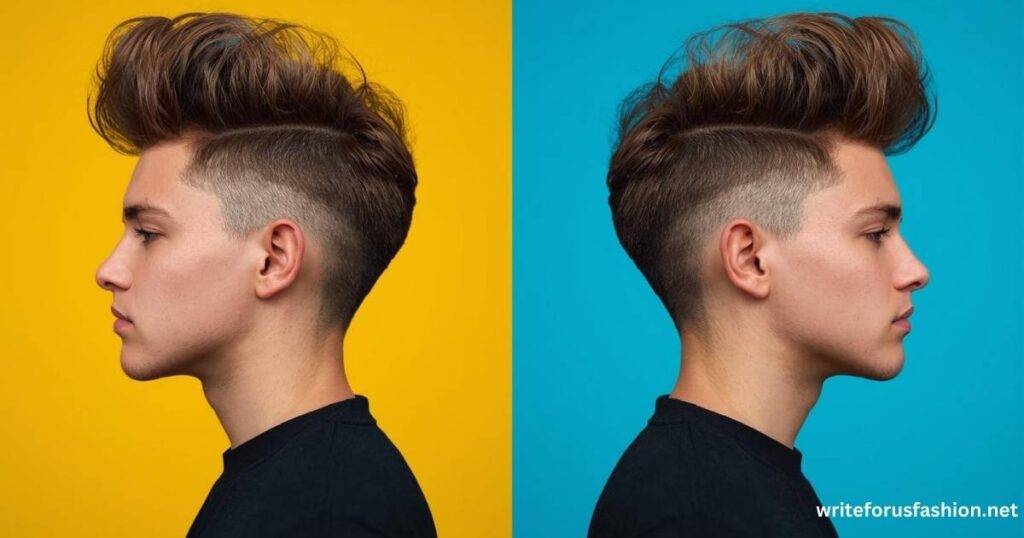
Teenagers and students are arguably the driving force behind this haircut’s resurgence. The modern mullet fade for teenagers checks every box for that stage of life. It’s expressive, it’s trending, it photographs extremely well, and it doesn’t cost a fortune to maintain.
For younger people, the haircut also works as a form of identity expression. Choosing a bold or unconventional hairstyle at that age is often a way of saying something about who you are or who you’re becoming. The mullet fade communicates creative confidence, which is a genuinely useful message to send.
For students in school settings with stricter dress codes, the taper fade mullet with a shorter back length usually falls within acceptable parameters while still maintaining the spirit of the style. It’s worth checking guidelines before going dramatic with a skin fade and heavy length contrast.
Gender Inclusive and Nonbinary Mullet Styles
One of the most compelling things about the modern mullet fade in 2025 is how thoroughly it has shed its gender associations. What was once firmly coded as masculine now belongs to anyone who wants it.
The gender inclusive mullet haircut has found a particularly enthusiastic audience in nonbinary and gender-nonconforming communities. The cut’s ability to blend traditionally masculine elements, like tight fades and sharp lines, with flowing length at the back creates a silhouette that sits outside conventional categories in a very intentional way.
Stylists and barbers who specialize in gender-affirming haircuts often point to the mullet fade as one of their most requested styles. It’s versatile enough to be tailored to different presentations and confident enough to make a statement about identity without requiring any words.
This inclusivity is part of why the haircut continues to spread beyond its original demographic. It doesn’t belong to one group. It just belongs to people who want it.
Top Celebrities Rocking the Modern Mullet Fade
Nothing accelerates a hair trend faster than seeing someone famous pull it off with conviction. Celebrities with mullet fade haircuts have played a major role in bringing this style to mainstream awareness.
Miley Cyrus brought the mullet back into pop culture conversation with her shaggy, textured version during her Plastic Hearts era. It was unapologetically bold and sparked countless imitations.
Bad Bunny has been photographed sporting variations of the mullet fade that blend Latin barbershop culture with contemporary styling. His versions tend to be sleek with strong fade work and have influenced a generation of younger fans in a significant way.
Soccer players, particularly those in European leagues, have embraced the taper fade mullet with a passion. It’s become something of an unofficial signature look in certain football circles, which speaks to how deeply embedded it has become in youth culture globally.
Billy Ray Cyrus, the original champion of the classic version, has even updated his look in ways that nod to the modern interpretation. There’s something full-circle and genuinely satisfying about that.
TikTok Transformations and Social Media Inspiration
The mullet fade trending on TikTok isn’t just a passing moment. It’s been a sustained phenomenon with real staying power. The format of short-form transformation videos is perfectly matched to haircut content, and the mullet fade delivers the kind of dramatic before-and-after that racks up views reliably.
Hashtags like #mulletfade and #modernmullet have accumulated hundreds of millions of views collectively. The comment sections are full of people asking their barbers’ names, requesting location tags, and saving the videos for their own future appointments. It’s essentially a discovery engine for haircut inspiration.
What makes TikTok particularly valuable for this trend is the diversity of content. You’ll find mullet fades on straight hair, curly hair, wavy hair, long hair, fine hair, and everything in between. Seeing the cut on someone with a similar hair type and face shape to yours removes a huge amount of uncertainty from the decision-making process.
Instagram still plays a role too. Barbers use the platform to showcase their portfolio work, and searching for mullet fade haircut variations there surfaces high-quality reference images that are genuinely useful to bring into a barbershop appointment.
If you’re on the fence about this haircut, spend twenty minutes scrolling through these platforms. You’ll either feel inspired or you’ll realize it’s not your style. Either outcome saves you time and potentially a haircut regret.
FAQ’s
What is a modern mullet fade?
It’s a contemporary take on the classic mullet that uses a clean fade on the sides, shorter structured length on top, and intentional length at the back. It looks polished and deliberate rather than retro or ironic.
How often should you trim a mullet fade to keep it sharp?
Every three to four weeks is the ideal schedule. This keeps the fade clean and maintains the overall shape before it starts to lose definition.
Can you get a mullet fade if you have curly hair?
Absolutely. Curly hair actually adds beautiful volume and dimension to the top and back sections. It’s one of the most flattering hair types for this cut when styled well.
What should you tell your barber when asking for a mullet fade?
Be specific about the fade type (taper, skin, or burst), the fade height (low, mid, or high), and the desired back length. Bring a reference photo to eliminate guesswork.
Is the mullet fade suitable for professional environments?
In most modern workplaces, yes. A taper fade mullet with conservative length and clean styling works well. Traditional sectors may require a more subtle approach, but a well-groomed version of the cut holds up in most professional settings.
Conclusion
The modern mullet fade isn’t a trend you need to be afraid of. It’s a genuinely well-designed haircut that rewards people who commit to it with intention. It adapts to your hair type, your face shape, your personality, and even your professional environment when styled correctly.
What started as a TikTok revival has settled into something more lasting. Barbers are refining their techniques around it. Clients are learning the vocabulary to ask for what they want. And the people wearing it are doing so with a confidence that makes the whole thing work.
If you’ve been eyeing this cut for a while, consider this your sign. Book the appointment, bring the reference photo, and trust the process. You might just walk out of that barbershop feeling like the most intentional version of yourself.

James Miller is a fashion writer and editor with over a decade of experience in style journalism, trend analysis, and brand consulting. His expertise spans luxury fashion, sustainable clothing, and cultural style movements. As the editorial lead at writeforusfashion, James combines creativity with credibility, ensuring content is accurate, engaging, and influential—building authority and trust in the ever-evolving fashion industry.