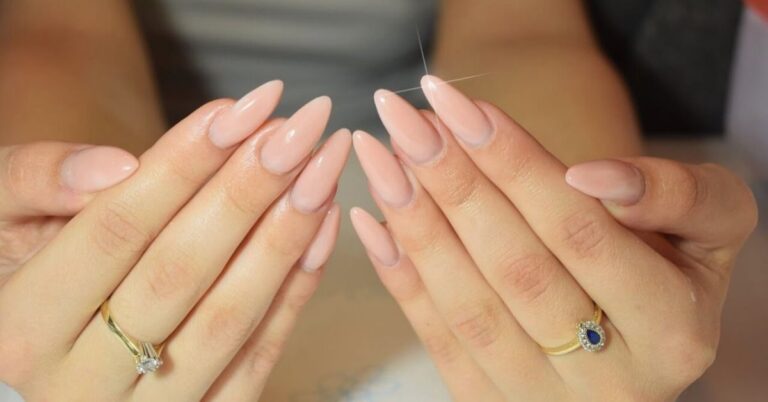

The Ultimate Guide to Healthy, Beautiful Nails: Expert Nail Care Routine
Have you ever looked down at your nails and thought, “Why do they keep breaking no matter what I do?” You moisturize your hands, you try not to bite them, you even splurge on a salon visit every now and then, and yet, they still chip, peel, or snap at the worst possible moment. You’re not alone, and honestly, it’s not your fault. Most of us were never taught a proper nail care routine. We just winged it.
Here’s the thing: your nails are telling you something. Ridges, discoloration, brittleness, slow growth, these aren’t just cosmetic inconveniences. They’re little signals from your body. And once you learn to listen, everything changes. This guide walks you through everything you need to know to build a nail care routine that actually works, from daily habits to diet tweaks to salon visits done right.
Why Nail Care Is Essential for Healthy, Beautiful Nails
Most people treat nail care as an afterthought, something you think about when a nail chips right before a big event. But your nails deserve more consistent attention than that. They’re made of keratin, the same protein as your hair, and they’re surprisingly sensitive to what you eat, how you wash dishes, and even how stressed you are.
Neglected nails become a breeding ground for fungal infections, bacterial buildup, and chronic breakage. Regular nail care keeps the nail plate smooth, the cuticles intact, and the nail matrix, the living tissue at the base of your nail, healthy and productive. When the matrix is well-nourished, your nails grow stronger and more evenly. Think of nail care less like a beauty ritual and more like dental hygiene. You wouldn’t skip brushing your teeth for weeks, right? Same logic applies here.
Identify Your Nail Type: The First Step to Perfect Nails
Just like skin, nails come in different types, and using the wrong products or techniques for your nail type is one of the biggest mistakes people make. So before you buy anything or change your routine, take a good look at your nails in natural light.
If your nails bend easily and feel soft, you likely have soft, pliable nails that need strengthening and protein support. If they snap or crack at the slightest pressure, you’re dealing with brittle nails that crave hydration. Ridged nails, which have vertical lines running from base to tip, often signal dehydration or nutritional gaps. And if your nails are thick, slow-growing, and prone to yellowing, that’s a different profile altogether, one that may need antifungal attention alongside regular care.
Nail care based on type is genuinely personalized medicine for your fingertips. Once you identify where you stand, everything else in this guide will click into place.
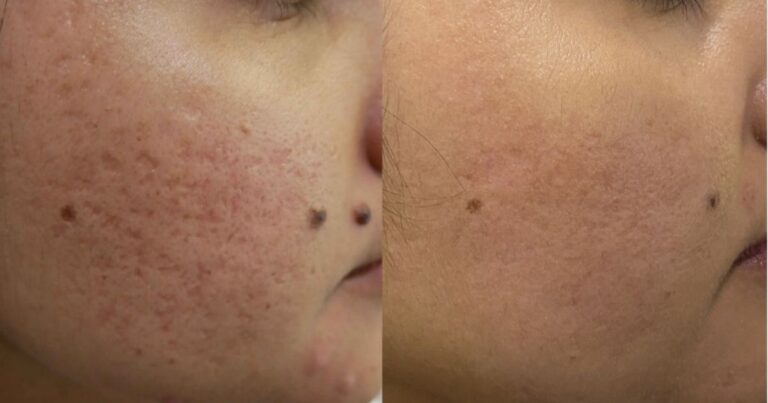
Read More: Acne Scars Treatment: What Actually Works and What’s Just Hype
Daily Nail Care Habits to Keep Your Nails Strong and Hydrated
Here’s where the real work happens, not at the salon, but in your kitchen, bathroom, and bedroom every single day. Daily nail care habits are the foundation of everything. And the good news? They’re simple.
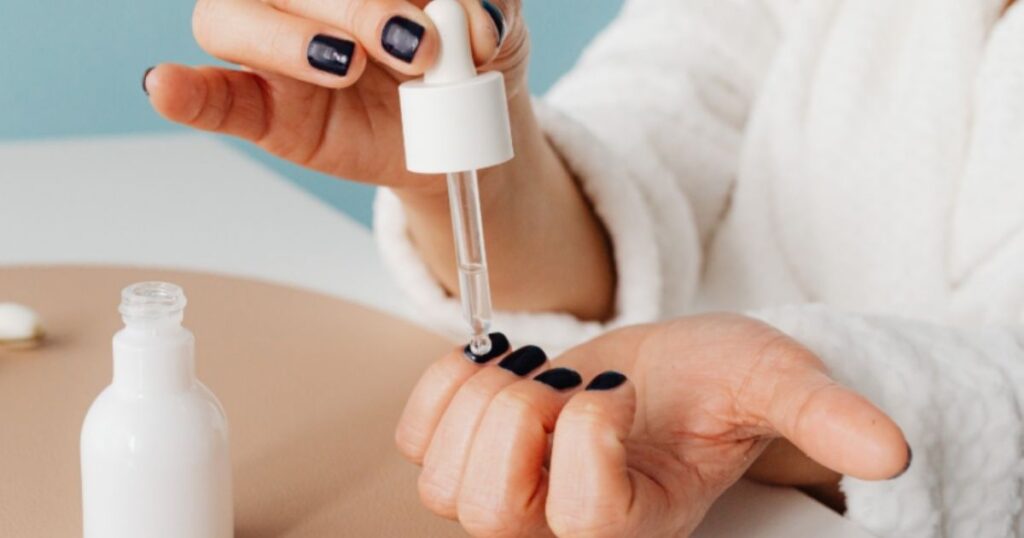
Start with hydration. Nail hydration and moisturization matter more than most people realize. After washing your hands, pat them dry and immediately apply a hand cream or nail oil. This seals in moisture before it evaporates. Cuticle oil application, done twice daily, keeps the skin around your nails soft and prevents painful hangnails from forming. Jojoba oil, almond oil, and argan oil are among the best nourishing nail oils you can reach for, they absorb quickly and don’t leave a greasy residue.
Avoid using your nails as tools. This one sounds obvious, but think about how often you pry open a soda can, scrape off a sticker, or pop open a lid with your fingertip. Every time you do that, you’re stressing the nail plate and inviting microtears. Keep a small flat tool in your bag instead. Also, wear gloves when washing dishes or using cleaning products. Prolonged water exposure and harsh chemicals are among the leading causes of nail breakage and soft, brittle nail conditions.
File your nails in one direction only. Sawing back and forth with a nail file creates friction that weakens the edge of the nail and leads to splitting. Use a fine-grit file and move in one smooth direction. Do this when your nails are dry, never after a shower when they’re soft and more vulnerable.
Professional Manicures and Pedicures: When and Why They Matter
There’s something about a professional manicure and pedicure that a home routine just can’t replicate, the tools, the technique, the full cuticle care routine that leaves your hands looking genuinely polished. But beyond aesthetics, professional treatments offer real nail health benefits that compound over time.
A skilled technician will spot early signs of nail damage, infection, or abnormal growth that you might miss. They’ll remove dead cuticle tissue without cutting into the living skin, which is a common mistake people make at home. They’ll also buff ridged nails smoothly using professional-grade tools that won’t cause the micro-abrasion damage cheaper files can create.
Manicure and pedicure benefits go beyond the obvious. Regular professional treatments improve circulation in the hands and feet, keep calluses manageable, and provide an intensive nail repair plan tailored to your current nail condition. Aim for a professional visit every three to four weeks. That’s often enough to maintain results without over-processing your nails with back-to-back gel sets or acrylics.
Protecting Your Nails from Damage: Simple Tips for Everyday Life
Nail damage from harsh manicures is real, but so is the everyday damage that sneaks up on you when you’re not paying attention. Hot water softens nails dramatically. Typing aggressively on hard keyboards creates repetitive stress. Even the way you open your phone case matters.
Here are a few practical nail protection at home strategies that make a measurable difference. Keep your nails at a manageable length. Long nails are more prone to breakage simply because they have more surface area to catch on things. A shorter, well-shaped nail is not a compromise, it’s a smart protective choice. Also, avoid peeling off gel polish. This is one of the most destructive habits for your nail plate. When gel is peeled rather than properly soaked off, it takes layers of keratin with it, leaving nails thin, white, and prone to splitting for weeks afterward. Always soak gel nail polish care down properly using acetone and cotton, and follow up with a nourishing treatment immediately after.
Choosing the Right Products: Chemical-Free Polishes and Nail Treatments
Walk into any drugstore and the nail care aisle is overwhelming. Nail hardeners, growth serums, base coats, strengthening polishes, how do you know what actually works? The truth is, a lot of it doesn’t. Many nail hardeners contain formaldehyde, which makes nails temporarily rigid but ultimately causes them to become brittle and more prone to snapping over time.
Look for nail care product recommendations that focus on flexible strength rather than hardness. A good base coat with hydrolyzed wheat protein or calcium will reinforce the nail without making it rigid. Sustainable nail polish options, often labeled as five-free, seven-free, or even ten-free, omit the most harmful chemicals like dibutyl phthalate, toluene, and formaldehyde resin. These are better for your nail health over the long term and far less irritating for sensitive nails.
Nail polish remover alternatives are also worth exploring. Acetone-free removers are gentler, though they work more slowly. If you use acetone regularly, always follow up with a hydrating nail oil to replenish what was stripped away. Your nails will thank you.
Giving Your Nails a Break: How Rest Improves Strength and Shine
Your nails need breathing room. Literally. Keeping them under constant layers of polish, gel, or acrylic doesn’t allow the nail plate to exchange gases naturally, and the chemicals in these products can cause gradual dehydration of the nail over time.
Taking a nail polish break, even just one to two weeks every couple of months, allows your nails to recover their natural luster and flexibility. During this rest period, focus entirely on nail recovery treatments: daily cuticle oil, a lightweight strengthening serum, and a glass or two more of water each day. You’ll notice a visible improvement in texture and shine within days. Nail recovery overnight is a real thing when you consistently apply a rich nail and cuticle balm before bed and let it absorb undisturbed through the night.
Nourish From Within: Diet Tips for Stronger, Healthier Nails
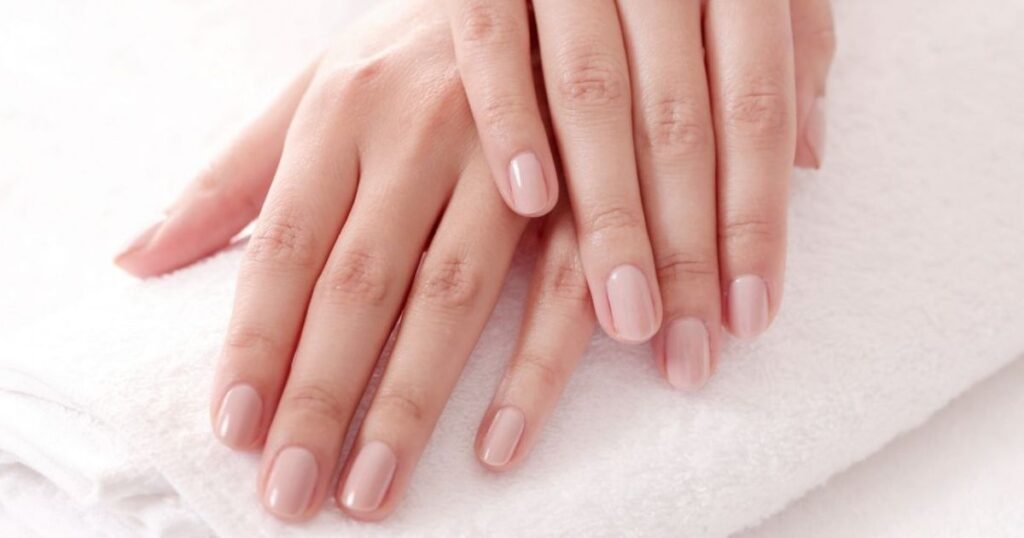
Here’s a truth that surprises a lot of people: no amount of topical product will fully compensate for a poor diet when it comes to nail health. Nail growth from within depends directly on what you eat. Biotin, also known as vitamin B7, is one of the most well-researched nail health vitamins. Studies suggest it can meaningfully improve nail thickness and reduce brittleness when taken consistently over several months.
Beyond supplements, food choices matter enormously. Eggs, salmon, spinach, almonds, and sweet potatoes are all nutrient-dense foods that support keratin production and collagen synthesis, both of which feed directly into strong natural nails. Zinc deficiency shows up in your nails as white spots and slow growth. Iron deficiency often causes spoon-shaped nails. Protein deficiency creates a generalized weakness across all nail types. Healthy nail lifestyle tips always start at the table, not at the beauty counter.
Customized Nail Care Routines for Every Nail Type
There’s no one-size-fits-all approach here. A healthy nail routine looks different depending on whether you’re dealing with soft nails, brittle nails, ridged nails, or generally healthy nails that just need maintenance.
For soft nails strengthening, lean into protein-based treatments. Look for products containing hydrolyzed keratin or collagen. Avoid excessive water exposure, and keep your nails shorter until they build resilience. For brittle nails hydration, the priority is moisture, inside and out. Drink more water, apply cuticle oil generously, and consider an overnight nail mask using shea butter or lanolin. For split nails repair, the immediate fix is a strengthening base coat applied to the affected area, but the long-term solution involves the dietary and hydration changes mentioned earlier. Ridged nails treatment usually comes down to consistent hydration and addressing any underlying nutritional gaps, particularly vitamin B12 and iron.
Repair and Rebuild: Solutions for Brittle, Split, or Damaged Nails
If your nails are currently in rough shape, don’t panic. Nail recovery is absolutely possible with a consistent, targeted approach. An intensive nail repair plan typically spans four to six weeks and combines topical treatments with lifestyle adjustments.
Start by trimming damaged nails back as much as you comfortably can. This removes the most compromised sections and gives healthy growth a clean slate to build from. Apply a professional nail treatment serum every other day, look for ingredients like panthenol, ceramides, or acetyl hexapeptide-3. Use a nourishing oil twice daily. Take a biotin supplement if your diet is lacking. Avoid gel and acrylics entirely during this recovery window. Within four to six weeks, you should see noticeably healthier regrowth emerging from the base, even if the tips are still fragile.
Natural nail strengthening through consistency is always more effective than quick fixes. There’s no overnight miracle, but there is steady, visible progress.
Sustainable and Mindful Manicure Practices for Long-Term Nail Health
The beauty industry is slowly waking up to sustainability, and nail care is part of that shift. Sustainable nail polish brands are growing in popularity because consumers are asking better questions, about ingredients, about packaging, about the long-term effects of what they’re putting on their bodies.
Mindful manicure practices also mean being more intentional about how often you get gel sets, how you remove them, and whether the products you use are worth the long-term cost to your nail health. Salon-quality nail treatments don’t have to mean harsh chemicals. Many salons now offer natural, non-toxic options, you just have to ask. At-home nail care solutions have also improved significantly. There are genuinely excellent nail care kits at home that rival professional results, especially for maintenance between salon visits.
Think long-term. Every choice you make about your nails today either builds or erodes their resilience over months and years.
Treat Yourself Like Royalty: Luxury Nail Care at Anlon Art Salon, Chennai
If you’re in Chennai and you’re serious about elevating your nail game, Anlon Art Salon is worth knowing about. This isn’t your average walk-in polish change. Anlon Art Salon offers a genuinely curated nail care experience, one that blends technical expertise with artistry and a deep understanding of nail health.
Whether you’re looking for a restorative treatment for damaged nails, a clean gel application that doesn’t wreck your natural nail, or custom nail art that reflects your personality, the team at Anlon brings both precision and warmth to every service. The salon uses high-quality, skin-safe products and takes a nail-health-first approach that you’ll feel the difference with after just one visit. It’s the kind of place where nail care feels less like a chore and more like a ritual you actually look forward to.
FAQ’s
How often should I apply cuticle oil for best results?
Applying cuticle oil twice daily, ideally in the morning and before bed, gives you the most consistent hydration and keeps the cuticle area soft and healthy over time.
Can diet really improve nail strength and growth?
Yes, absolutely. Nutrients like biotin, zinc, iron, and protein directly support keratin production, which is what your nails are made of, so diet plays a significant role in how your nails grow and feel.
Is it harmful to wear nail polish all the time without breaks?
Continuous polish use, especially gel or acrylics, can dehydrate the nail plate and cause long-term thinning, so taking a short break every couple of months makes a real difference.
What’s the gentlest way to remove gel nail polish at home?
Soak a cotton pad in acetone, place it on the nail, wrap it in foil for ten to fifteen minutes, and gently slide the gel off without scraping, then follow with a nourishing oil immediately after.
Which vitamins are most effective for improving brittle nails?
Biotin (B7), iron, zinc, and vitamin E are the most well-supported options for strengthening brittle nails and encouraging healthier, more resilient growth over time.

James Miller is a fashion writer and editor with over a decade of experience in style journalism, trend analysis, and brand consulting. His expertise spans luxury fashion, sustainable clothing, and cultural style movements. As the editorial lead at writeforusfashion, James combines creativity with credibility, ensuring content is accurate, engaging, and influential—building authority and trust in the ever-evolving fashion industry.