
Nail Extensions 101: The Ultimate Guide to Acrylic, Gel, and Poly Gel Nails
Ever looked at someone’s gorgeous long nails and thought, “How do they even do that?” You’re not alone. Nail extensions have become one of the most searched beauty topics online, and for good reason. Whether your natural nails refuse to grow past a certain length or they break the second they get anywhere near decent, extensions are the answer you’ve been waiting for.
But here’s the thing. Walk into any salon and you’re hit with a wall of options. Acrylic. Gel. Poly gel. BIAB. Hard gel. It can feel overwhelming fast. This guide breaks it all down in plain, simple language so you can walk into your next nail appointment feeling confident and informed.
What Are Nail Extensions and How Do They Work?
Simply put, nail extensions are artificial structures applied over your natural nails to add length, shape, or strength. Think of them as a scaffolding system for your nails. Your natural nail acts as the base, and the extension material is built on top.
The process usually starts with prep work. Your nail technician will clean, buff, and prime your natural nails to create a surface that the product can properly bond to. Skipping this step is like painting over a dirty wall. It never ends well.
From there, the extension material is applied. Depending on the type you choose, it’s either sculpted directly onto the nail or placed using a tip or form. Some products cure under UV or LED light. Others air dry or harden through a chemical reaction. The end result? Longer, stronger nails that look intentional and polished.
Extensions aren’t just for length, either. Lots of people use them as a nail overlay technique to reinforce weak or damaged nails without adding any extra length at all.
Different Types of Nail Extensions Explained (Acrylic, Gel, Poly Gel and More)
Not all nail extensions are created equal. Each type has its own personality, its own pros and cons, and its own ideal candidate. Here’s a quick breakdown before we dive deep.
Acrylic extensions use a monomer and polymer mixture that hardens in the open air. Gel extensions cure under UV and LED nail curing lamps. Poly gel is a newer hybrid that sits somewhere between the two. Builder gel and hard gel are their own category of structured enhancement. And then there are older methods like fiberglass nail extensions and the silk wrap nail method, which are still used today, just less commonly.
The type that’s right for you depends on your lifestyle, your nail health, your budget, and honestly, your personal preference. Let’s go through each one.
Read More: Best Hair Color for Dusky Skin: Natural, Warm, and Bold Shades
Acrylic Nail Extensions: Strength, Durability and Bold Shapes
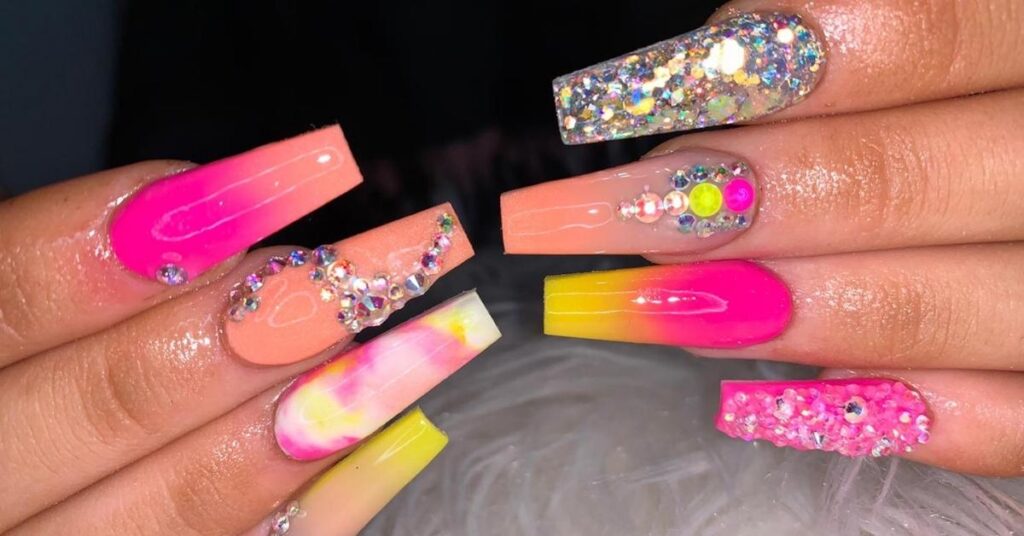
Acrylic nails have been around for decades. They were the original go-to for dramatic nail shapes like coffin, stiletto, and almond. There’s a reason they’ve stood the test of time.
The process involves mixing a liquid monomer with a powder polymer to create a paste-like substance. Your tech shapes it onto your nails using a brush, and it hardens on its own within minutes. No lamp needed. That’s actually one of the reasons acrylics are still wildly popular in professional settings.
Acrylics are known for being incredibly durable nail enhancements. If you’re someone who works with your hands, types all day, or just has a habit of accidentally smashing your nails into things, acrylic is probably your most forgiving option. They won’t crack easily and they’re relatively easy to repair if one does break.
The downside? The monomer liquid has a noticeable smell. It’s not unbearable, but it’s definitely there. If you’re sensitive to strong scents, some salons now offer odor-free nail extension options using newer formulas.
Also worth knowing: acrylic nails require regular nail infill maintenance every two to three weeks as your natural nail grows out. Skipping infills makes the extension more likely to lift or snap. Don’t skip them.
Gel Nail Extensions: Lightweight, Glossy and Natural-Looking
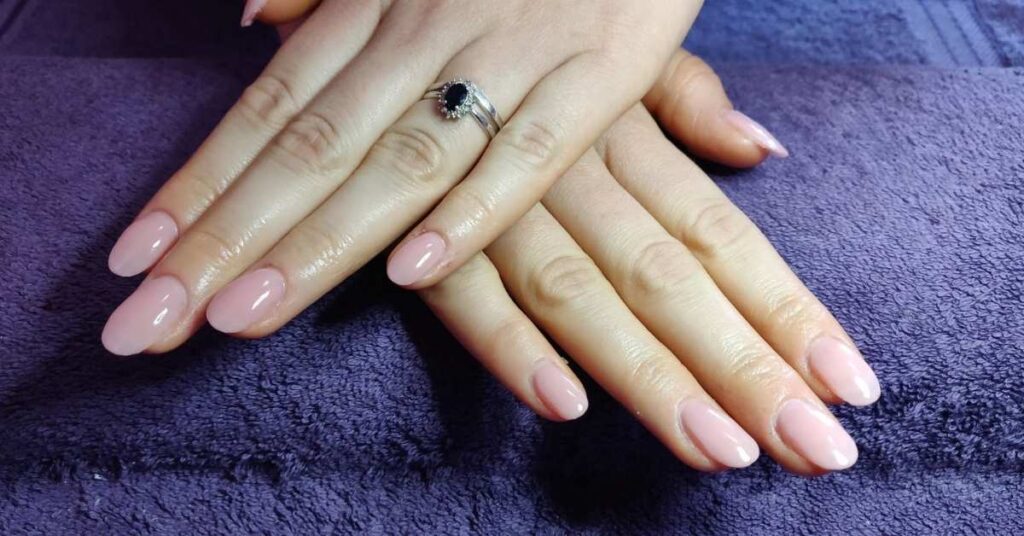
If acrylics are the sturdy workhorse, gel extensions are the sleek, polished sibling. Gel nail extensions cure under a UV or LED lamp, which gives them a gorgeous, glass-like finish straight off the bat.
The texture is naturally more flexible than acrylic. That flexibility makes them feel closer to natural nails and reduces the risk of snapping under pressure. They’re lighter on the nail, which a lot of people love, especially those who aren’t used to wearing extensions.
Soft gel nail tips are a popular choice for beginners because they’re gentler on natural nails and easier to remove using the soak-off gel method. Hard gel, on the other hand, is more durable but requires filing off rather than soaking.
Gel extensions tend to be the go-to recommendation for nail extensions for weak nails. They add structure without the aggressive nature of acrylics. And the shine? It’s unmatched. Many people say they don’t even need a topcoat with a quality gel extension because the finish is already that good.
One thing to keep in mind: gel extensions are slightly more expensive than acrylics in most salons. They’re also more technique-sensitive, meaning the skill of your technician matters a lot.
Builder Gel (BIAB) and Hard Gel Extensions: What’s the Difference?
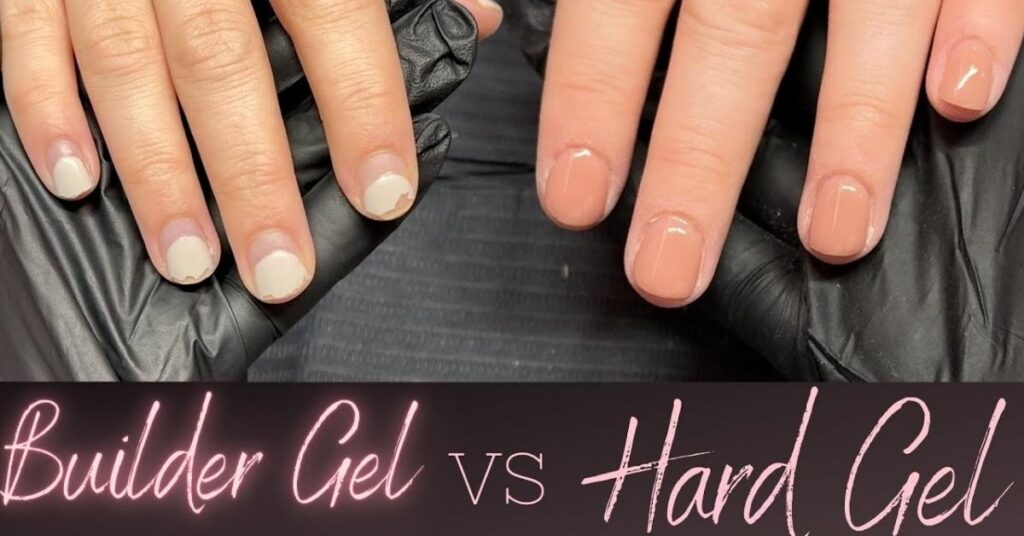
This is where a lot of people get confused, and honestly, fair enough. Builder gel and hard gel sound like they could be the same thing. They’re not.
Builder gel, also called BIAB (Builder in a Bottle), is a thick, self-leveling gel that’s applied to the natural nail to add structure and length. It’s brilliant for nail extensions for short nails because it can build up a structured nail apex without needing a separate tip or form. Many nail clients use BIAB to grow out their natural nails underneath while still looking polished on top.
Hard gel extensions, on the other hand, are used to create more significant length and can be sculpted using nail sculpting forms. They’re stronger than builder gel and more suited to dramatic shapes. The catch is that hard gel doesn’t soak off. You have to file it down for removal, which means the professional nail removal process takes longer and requires more care to avoid damaging the natural nail underneath.
Both are excellent salon-grade nail products. If you want a more natural, low-key result, go for BIAB. If you want length with serious staying power, hard gel is the move.
Poly Gel Nails: The Hybrid Solution for Flexible Strength
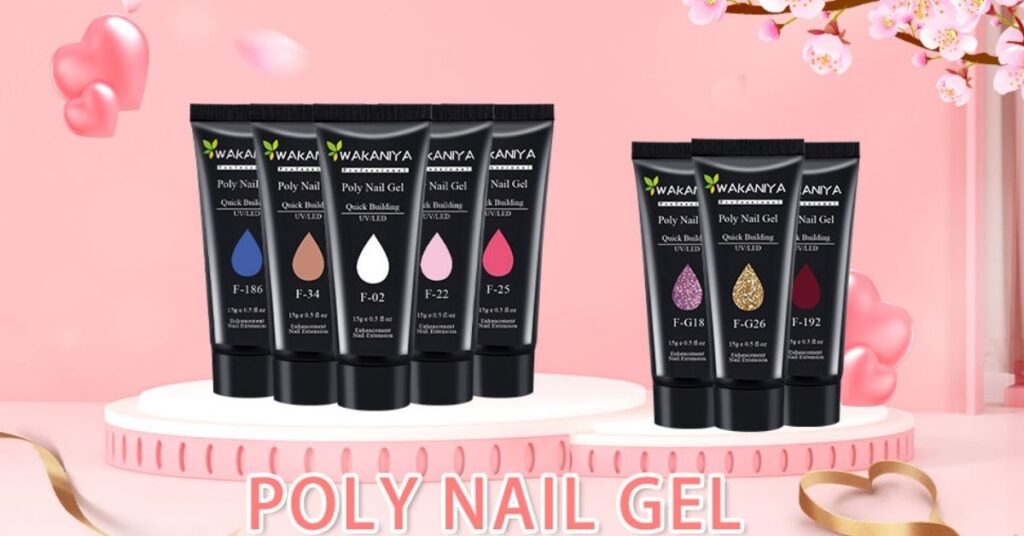
Poly gel is relatively new to the mainstream nail world, but it’s already made quite a name for itself. It’s a hybrid formula that combines the durability of acrylic with the flexibility and lightweight feel of gel. That’s a pretty compelling pitch.
The consistency is different from both acrylics and regular gels. It looks almost like toothpaste. It doesn’t self-level or run, which makes it much easier to control during application. You shape it using a brush dipped in slip solution, then cure it under a lamp.
For the poly gel vs acrylic nails debate, poly gel wins on flexibility and ease of use. It doesn’t have the strong odor of acrylic, and it’s gentler on natural nails. For beginners doing their nails at home, poly gel is often considered the best nail extension for beginners because it gives you more working time before curing. It won’t harden until you put it under the lamp, so there’s less pressure.
The poly gel nail system is also great for people who want lightweight nail extensions without sacrificing strength. Think of it as getting the best of both worlds without the compromises of either.
Fiberglass and Silk Nail Extensions: A Lesser-Known Alternative
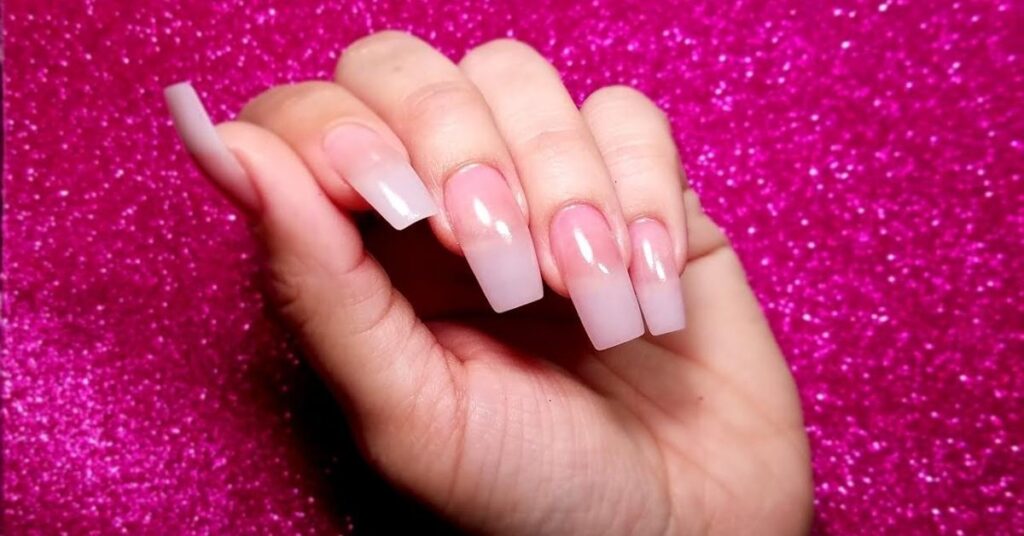
These two methods don’t get nearly as much airtime as acrylics or gel, but they deserve a mention. Fiberglass nail extensions and the silk wrap nail method have been around for a long time and still have a loyal following.
Both methods involve applying a thin mesh material (either fiberglass mesh or silk fabric) over the natural nail and sealing it with resin. The result is an incredibly thin, natural-looking extension that’s perfect for people with extremely sensitive nails or allergies to the chemicals found in acrylics and gels.
They’re not the strongest options. You won’t be sculpting dramatic coffin nails with silk wraps. But if you want something subtle and gentle that simply reinforces your natural nails or adds a touch of length, these are worth exploring.
They’re also a quick nail extension method compared to some others. The application is relatively straightforward and doesn’t require a lamp or complex chemistry.
Acrylic vs Gel vs Poly Gel: Which Nail Extension Is Best for You?
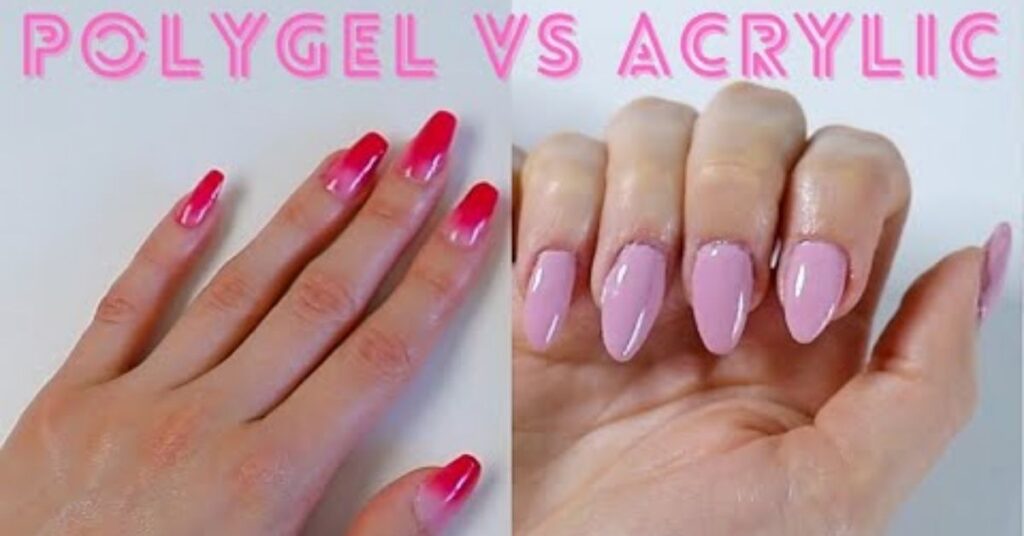
Here’s the honest answer: there is no single best option. It depends entirely on you.
If you want maximum durability and love bold, dramatic nail shapes, acrylic is your match. It’s strong, time-tested, and widely available in most salons.
If you prefer a natural look with a flexible feel and high-gloss finish, gel extensions are worth every penny. They’re gentler, lighter, and stunning.
If you’re a beginner, want something odor-free, or you’re after that sweet spot between strength and flexibility, poly gel is probably your starting point.
Still unsure? Here’s a quick comparison.
| Feature | Acrylic | Gel | Poly Gel |
| Durability | Very High | High | High |
| Flexibility | Low | Medium | Medium-High |
| Odor | Strong | Mild | Minimal |
| Best For | Bold shapes, durability | Natural look, sensitive nails | Beginners, flexibility |
| Removal | File or soak | Soak-off or file | Soak-off |
| Lamp needed | No | Yes | Yes |
The nail extensions pros and cons vary across all three, but none of them are inherently bad. They’re just suited to different people and lifestyles.
How Long Do Nail Extensions Last and When Should You Refill?
Here’s a question almost everyone asks before committing to extensions. How long do nail extensions last, really?
On average, most extensions need a touch-up or infill every two to three weeks. Your natural nail grows out continuously, which creates a gap between the extension and your cuticle. That gap looks untidy and can also weaken the extension’s bond if left too long.
Acrylics and hard gels tend to last the longest, sometimes up to four weeks before an infill becomes urgent. Gel and poly gel extensions typically fall in the two to three week window. Silk and fiberglass wraps are the most delicate and may need attention sooner.
The longest lasting nail extensions are generally hard gel or acrylic, particularly when maintained properly. What you do in between appointments matters a lot. Wearing gloves while cleaning, avoiding using your nails as tools, and keeping your hands moisturized all add up to a longer lifespan for your extensions.
Temporary vs permanent nail extensions is also worth addressing here. There’s no truly permanent extension. All of them grow out and require maintenance. However, some people treat extensions as a long-term lifestyle choice, getting regular fills for months or even years at a stretch.
Nail Extension Aftercare: Maintenance Tips to Protect Your Natural Nails
Getting the extensions is only half the job. What happens after you leave the salon determines how your nails actually hold up and whether your natural nails come out unscathed.
First, keep them moisturized. Cuticle oil is your best friend. Apply it daily around the base of each nail to keep the skin hydrated and prevent lifting at the edges.
Avoid picking or peeling your extensions. It sounds obvious, but it’s tempting when one starts to lift. Peeling an extension off takes layers of your natural nail with it. Always go back to a professional nail removal process if you want them taken off safely.
When it comes to do nail extensions damage natural nails, the answer is: they can, but they don’t have to. Damage usually comes from improper application, skipping maintenance, or DIY removal. When done correctly by a skilled technician and looked after properly, extensions shouldn’t leave your nails wrecked.
Also, take breaks between sets. Wearing extensions continuously for years without giving your nails a rest can lead to thinning and sensitivity. A few weeks off every few months lets your natural nails breathe and recover.
Use a nail-safe hand cream and avoid harsh cleaning products without gloves. The chemicals in household cleaners can weaken the extension bond and dry out your cuticles fast.
FAQ’s
Can I do nail extensions at home as a beginner?
Yes, poly gel kits are the most beginner-friendly option for at-home use since they don’t harden until you cure them under a lamp, giving you more time to shape and adjust.
Do nail extensions damage your natural nails?
They can if applied or removed incorrectly. Done right with proper aftercare, most people experience little to no long-term damage to their natural nails.
What is the strongest type of nail extension?
Hard gel and acrylic are generally considered the strongest nail extension types, making them ideal for people who are tough on their hands.
How do I remove nail extensions safely?
Always have them removed by a professional. Most gel and poly gel extensions soak off in acetone, while hard gel and acrylic require careful filing to avoid damaging the nail underneath.
Which nail extension is best for short or weak nails?
Builder gel (BIAB) is excellent for short nails, as it builds structure gradually. For weak nails, soft gel extensions or fiberglass wraps are the gentlest options available.

James Miller is a fashion writer and editor with over a decade of experience in style journalism, trend analysis, and brand consulting. His expertise spans luxury fashion, sustainable clothing, and cultural style movements. As the editorial lead at writeforusfashion, James combines creativity with credibility, ensuring content is accurate, engaging, and influential—building authority and trust in the ever-evolving fashion industry.