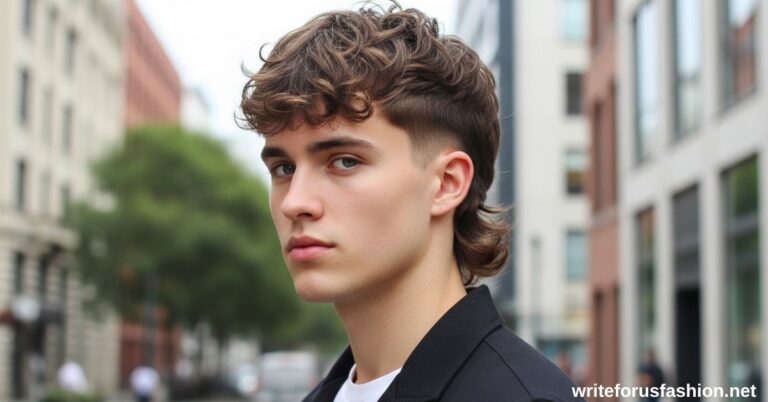

Two Strand Twist Men: Confident Styles Explained
If you’ve ever looked in the mirror and wondered what to do with your natural hair, you’re not alone. A lot of men feel stuck between wanting a fresh, defined look and not knowing where to start. Two strand twists for men have quietly become one of the most versatile, low-maintenance, and genuinely stylish options out there. Whether your hair is short, coily, or somewhere in between, this style works. And the best part? You don’t need to spend hours in a salon chair to pull it off.
This guide breaks everything down for you. From technique to trending styles, from kids to teens, from gym life to office looks, we’ve covered it all in one place.
Two Strand Twist Men: Confident Styles Explained
Let’s be real. Natural hairstyles for men don’t always get the respect they deserve. But two strand twist men styles have been holding their own for decades, rooted in African hair tradition and adapted into modern grooming culture. They’re not a trend. They’re a staple.
These twists give you definition, structure, and a clean finish without chemicals or heat. You can wear them casual or polished. Short or long. With a fade or without. That kind of flexibility is rare in men’s grooming, and that’s exactly why more men are choosing twists as their go-to style.
Understanding the Two Strand Twist Technique
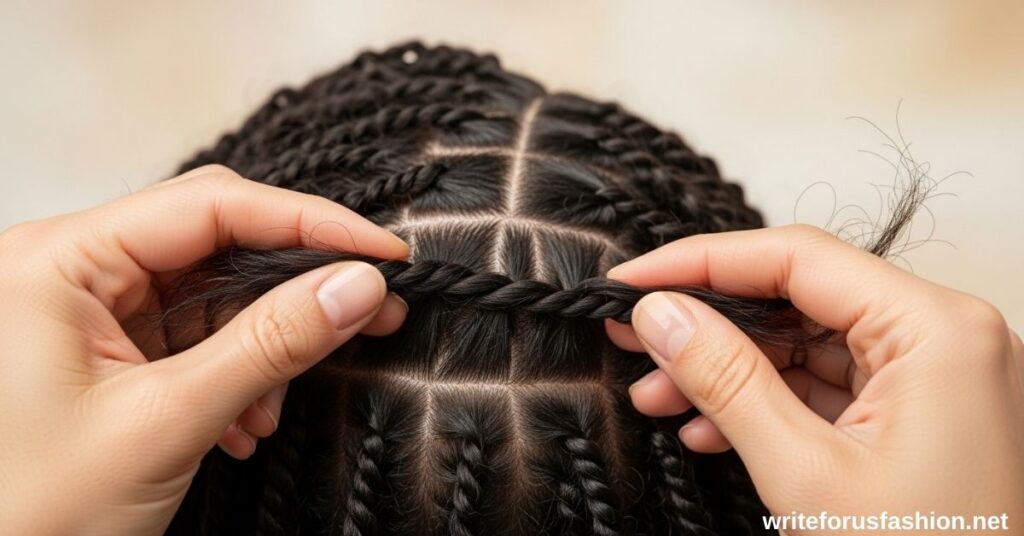
At its core, the two strand twist is exactly what it sounds like. You take two sections of hair and wrap them around each other in a spiral motion from root to tip. Simple in theory. Stunning in practice.
The technique relies on the natural texture of your hair to hold the twist in place. No heat, no chemicals, no complicated tools. Just your fingers, a little product, and some patience. The result is a coiled, rope-like strand that sits cleanly and holds its shape well.
Read More: Drop Fade Haircut Ideas: Modern Styles for Men of All Ages
Why Two-Strand Twists Suit Short Hair and Natural Texture
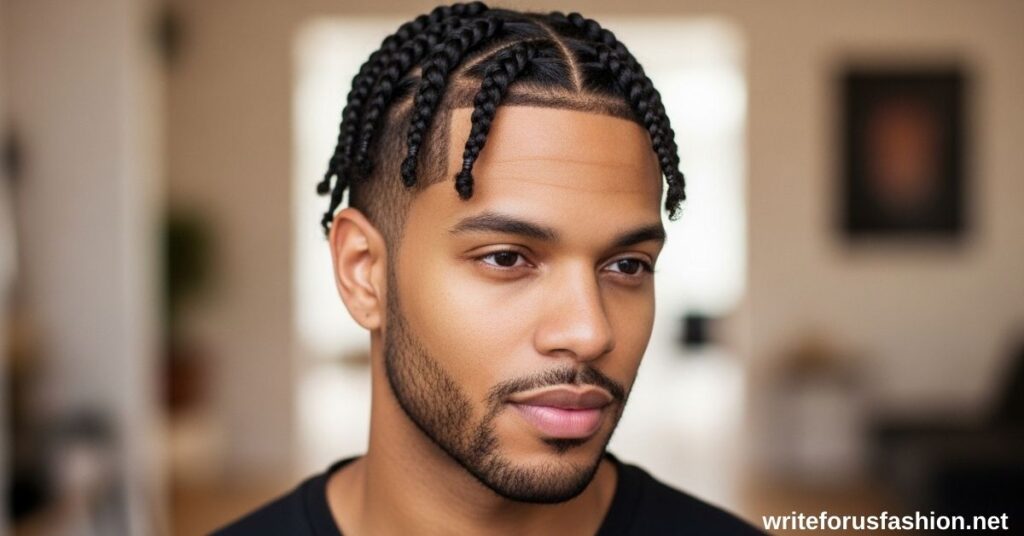
A lot of men assume twists are only for long hair. That’s a misconception worth clearing up. Two strand twists actually perform beautifully on short natural hair, especially on coily or tightly textured strands. The natural curl pattern grips the twist and helps it hold without slipping.
Short hair two strand twists tend to look more defined and compact, which gives a really clean, intentional look. If your hair has type 3c to 4c texture, you’re already in the sweet spot for this style. The coil structure does most of the heavy lifting for you.
Key Benefits for Men’s Grooming and Protective Styling
Two strand twists aren’t just about looking good. They serve a real functional purpose too. As a protective hairstyle for men, they tuck your hair away from daily friction, reduce breakage, and retain moisture better than leaving it loose.
For men who want to grow their hair out, twists are a smart move. They protect the ends, minimize manipulation, and keep your hair in better condition over time. You’re styling and caring for your hair at the same time, which is a genuinely efficient approach to natural hair grooming.
Minimum Hair Length for Two-Strand Twists
Minimum Length Needed for Two Strand Twist Styles
You don’t need a full head of long locks to get started. The general rule is that you need at least 2 inches of hair to form a proper twist. At that length, there’s enough to section, separate, and coil without the twist falling apart.
Some experienced stylists can work with hair as short as 1.5 inches, but the results are less defined and harder to maintain. At 2 to 3 inches, you get that satisfying, clean look that holds up for days. If your hair is shorter than that, give it another month or so before attempting twists.
How to Know If Your Hair Is Ready for Twisting
Your hair gives you signals. If you can pinch a section between two fingers and coil it without it immediately unraveling, you’re likely ready. Another good test is trying a quick twist with no product. If it holds loosely for even a few seconds, your length and texture are in the right range.
Also pay attention to density. Fine or low-density hair might need extra product to hold twists effectively, even at the right length. Thicker, coarser strands tend to grip naturally and hold shape with minimal effort.
How to Prep Hair for Twisting
Preparing Natural Hair for Two Strand Twist Styles
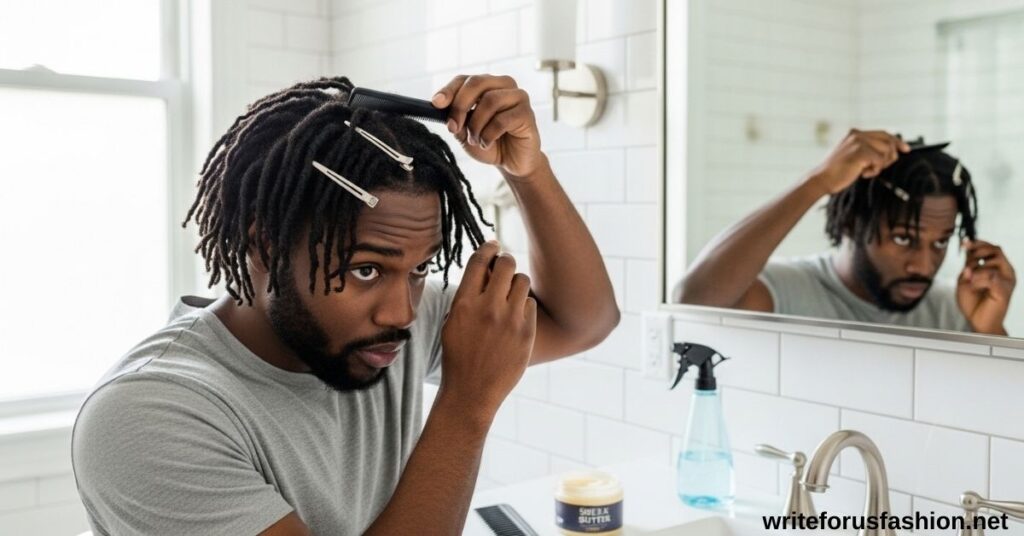
Preparation makes or breaks the final result. A lot of men skip this step and then wonder why their twists look frizzy or uneven. Prepping your hair properly sets the foundation for a clean, long-lasting style.
Start with freshly washed hair. Twisting on dirty or buildup-heavy hair is a common mistake. The product residue weighs your hair down and prevents the twist from forming properly. Clean hair responds better, absorbs moisture more evenly, and holds the twist’s shape far longer.
Cleansing, Moisturizing, and Detangling Before Twisting
Use a sulfate-free shampoo that won’t strip your scalp dry. Follow with a hydrating conditioner and leave it on for at least a few minutes. This adds the slip you’ll need when detangling, which is the next step.
Detangle carefully with a wide-tooth comb or your fingers while the conditioner is still in. Work from the ends upward to avoid breakage. Once you rinse, apply a leave-in conditioner while your hair is still damp. That moisture lock is key. It keeps each twist hydrated and helps the style last longer before you need to redo it.
Sectioning and Parting Techniques for Better Twist Results
Clean, even parts make your twists look intentional and professional. Use a rat-tail comb or the tip of a fine-tooth comb to create straight, defined parts. You can go with square, triangular, or diagonal sections depending on the style you’re aiming for.
Smaller sections give you tighter, more defined twists. Larger sections produce thicker, chunkier twists. The choice depends on your personal style preference and your hair density. Whatever you choose, consistency in size gives the overall style a neat, uniform appearance.
How to Do Two-Strand Twists on Short Hair (Step-by-Step)
Step-by-Step Method for Short Hair Two Strand Twist Styles
Here’s how to do it from scratch, even on shorter natural hair.
Start by washing and conditioning your hair as described above. Apply a light hold twisting cream or butter to damp hair. This adds definition and hold without making your hair stiff or crunchy.
Section your hair using your comb into the size you want. Take one section and split it into two equal strands. Hold both strands with your fingers and begin crossing one over the other in a consistent direction, either left over right or right over left. Keep twisting until you reach the tip. The end of the twist should curl slightly on its own due to your natural texture.
Move to the next section and repeat. Work in a consistent pattern across your head so no section gets missed.
How to Twist, Secure, and Shape Short Hair
On very short hair, the ends might not hold naturally. That’s where a little extra product helps. A small amount of edge control or twisting gel applied at the tip can seal the end and prevent unraveling.
Once all twists are done, you can let your hair air dry or sit under a hooded dryer for a more defined finish. Avoid touching the twists while they dry. That’s the fastest way to create frizz. Once fully dry, you can gently separate the twists with your fingertips for added volume if desired.
Best Popular Two-Strand Twist Styles for Men
1. Classic Medium Two Strand Twist Men Style
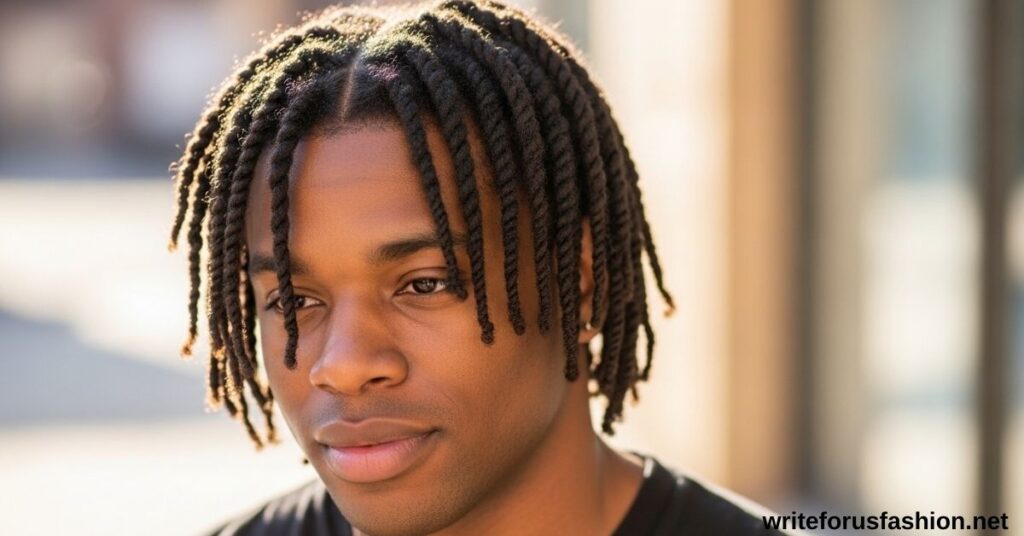
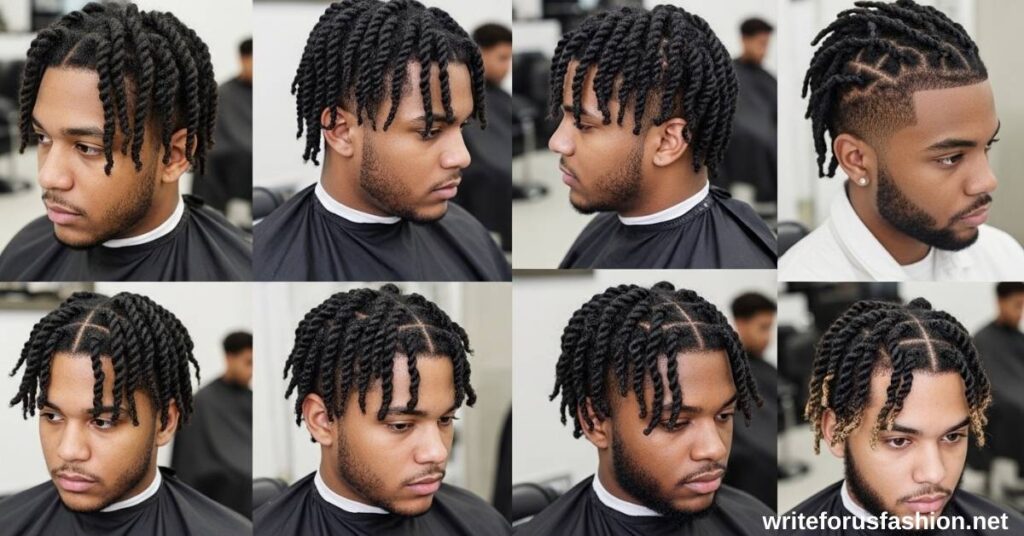
This is the starting point for most men. Medium-sized twists that sit neatly across the head, uniform in shape and length. It’s clean, versatile, and works in almost every setting, from a casual weekend to a business casual environment. It suits most hair types and requires moderate styling time.
2. Small and Defined Short Hair Two Strand Twists
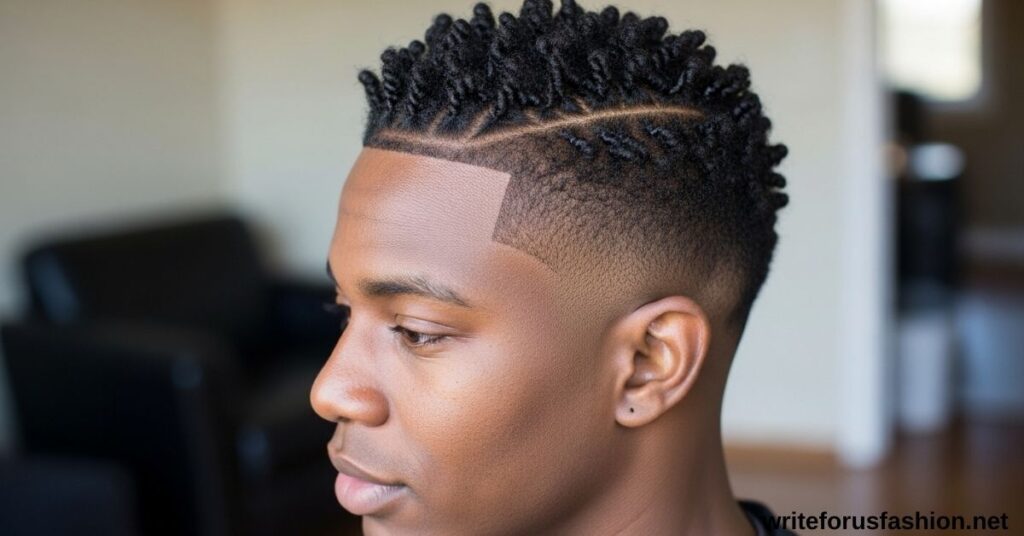
For men with shorter natural hair, smaller twists create an incredibly defined, intricate look. The tighter coil pattern gives each twist sharp edges and clean lines. This style takes more time to install but the payoff is a highly polished finish that holds well for over a week.
3. Thick or Chunky Two Strand Twist Style
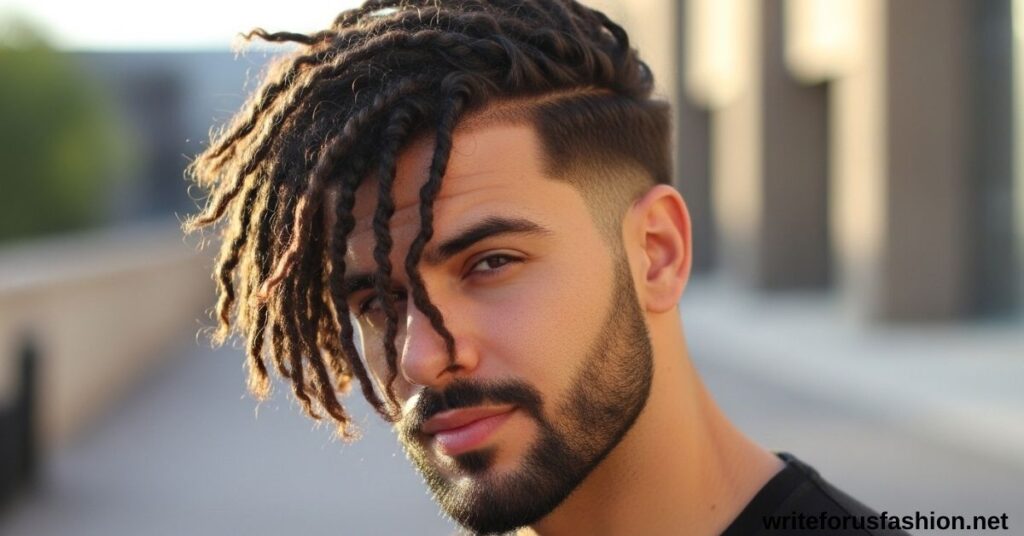
Go big or go home. Chunky twists are made with fewer, larger sections and give a bold, expressive look. They’re great for men with thicker hair and work well if you want a more relaxed, artistic finish. Chunky twists also take less time to install than smaller ones, which is a major plus.
4. Rope Two Strand Twist Styles for Men
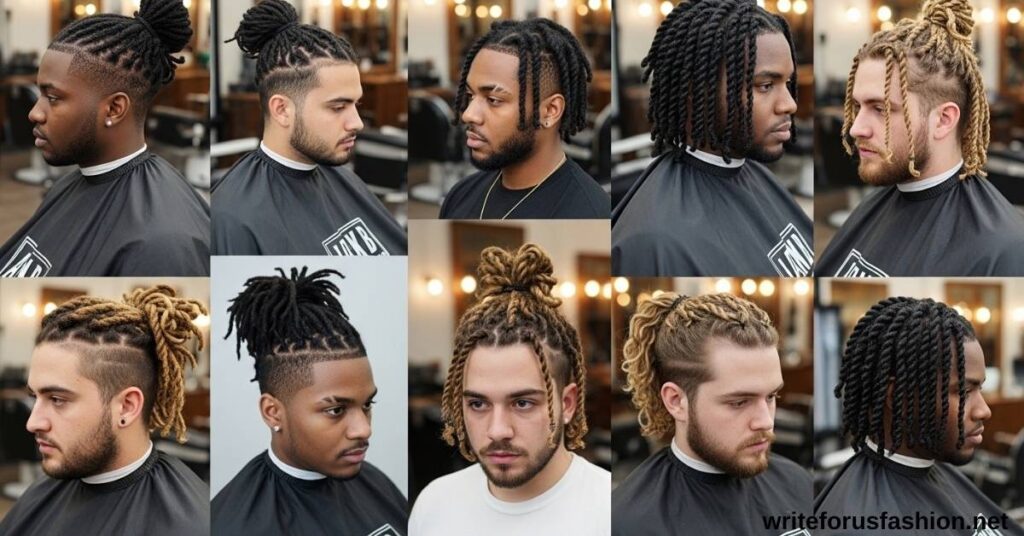
Rope twists are twisted more tightly than standard twists, creating a dense, cord-like appearance. They sit close to the scalp and have a particularly clean, structured silhouette. This style tends to last longer than looser twists because the tighter coil holds the shape firmly.
5. High Top Two Strand Twist Men Look
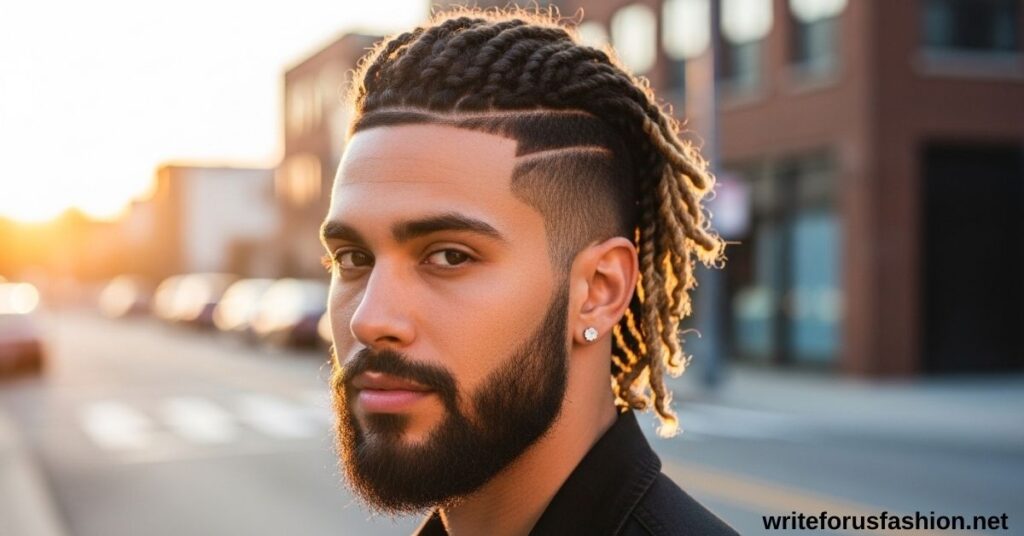
The high top two strand twist hairstyle for men combines volume at the crown with shorter or tapered sides. The twists on top are longer and styled upward or to one side, giving a confident, expressive shape. It’s a head-turner in the best possible way.
6. Two Strand Twist Men with Fade Blend
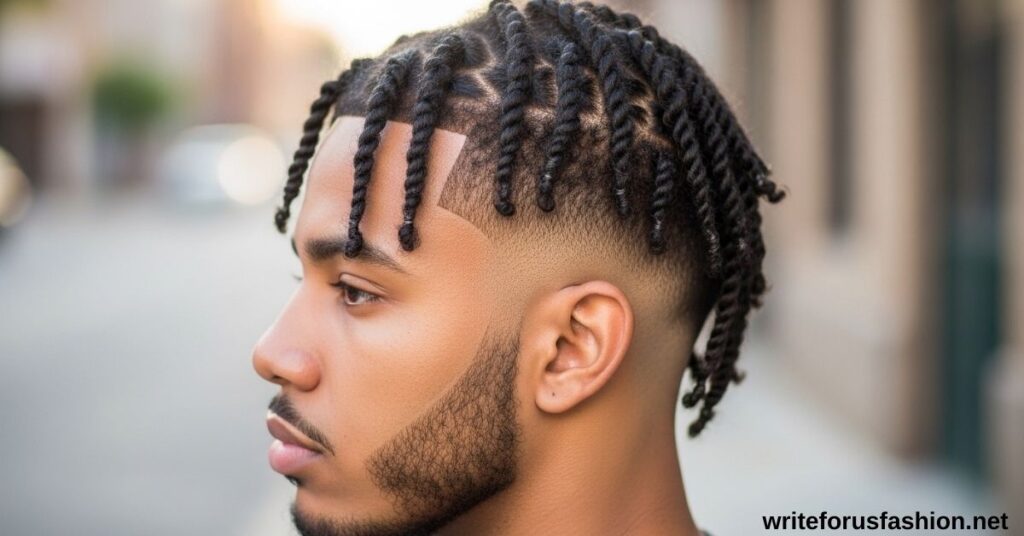
Pairing two strand twists with a fade haircut is one of the most popular modern combinations. The fade keeps the sides sharp and clean while the twists on top add texture and personality. The contrast between the smooth fade and the coiled twists creates a dynamic, well-groomed look that works across all occasions.
7. Tapered Two Strand Twist Men Style
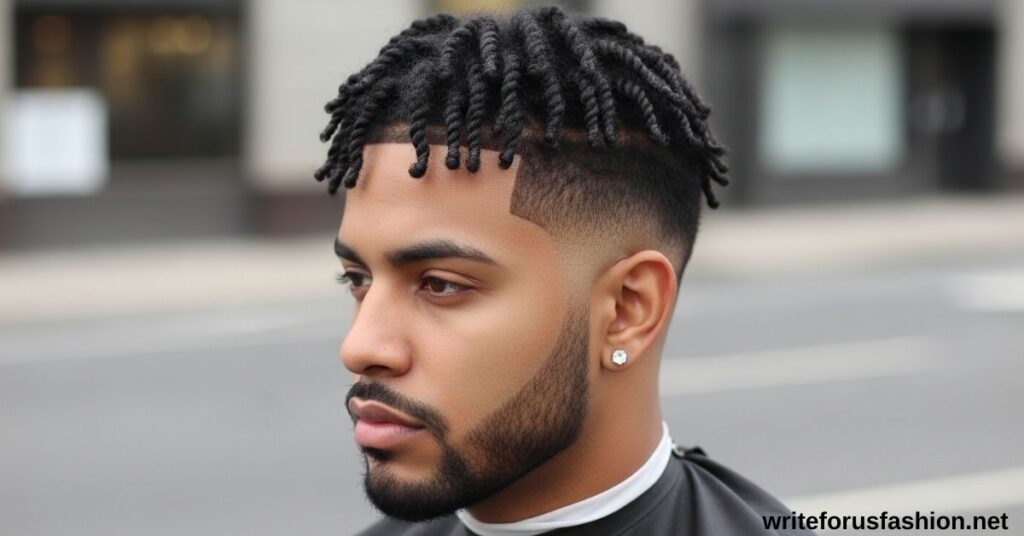
A taper adds subtle structure without the dramatic contrast of a full fade. The tapered two strand twist men style keeps length gradually decreasing toward the neck and ears, giving a refined and polished silhouette. It’s a smart choice for professional settings where you want to look intentional without going too edgy.
8. Two Strand Twist Locs

This is where twists transition into something more permanent. Two strand twist locs are starter locs, essentially the beginning stage of dreadlocks created through the twist method. Over time, the twists begin to lock, forming natural, maturing locs. It’s a popular entry point for men who want to start their loc journey without committing to palm rolling or other methods immediately.
9. Triangle Part Two Strand Twist Male Style
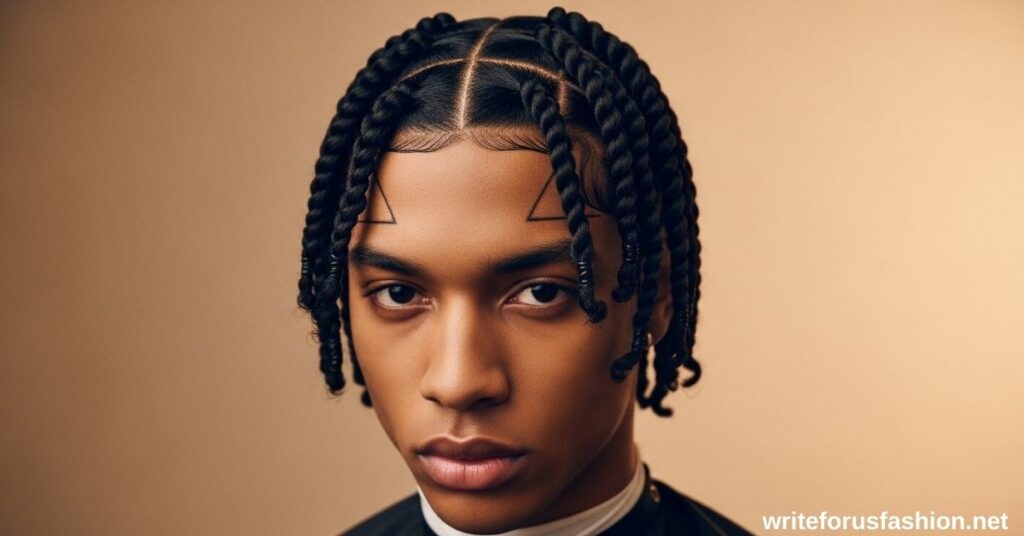
The parts matter more than most people realize. Triangle parts, where each section is shaped like a triangle instead of a square or straight line, give the style a geometric, modern edge. The triangular sections create a unique pattern across the scalp that stands out even before you look at the twists themselves.
10. Two Strand Twist Men Kids Style
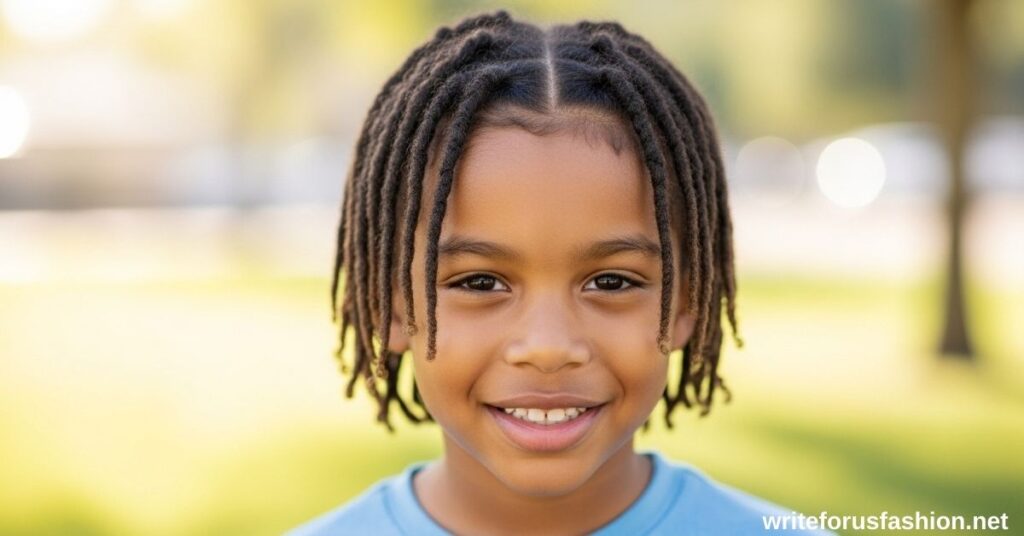
Yes, kids can rock this look too. Two strand twists on young boys are gentle, cute, and protective. They keep hair neat and defined without tight pulling or heavy products. This is a popular choice for parents who want a manageable, low-friction daily style for their children.
Two-Strand Twists with Popular Haircuts
Fade Combinations with Two Strand Twist Styles
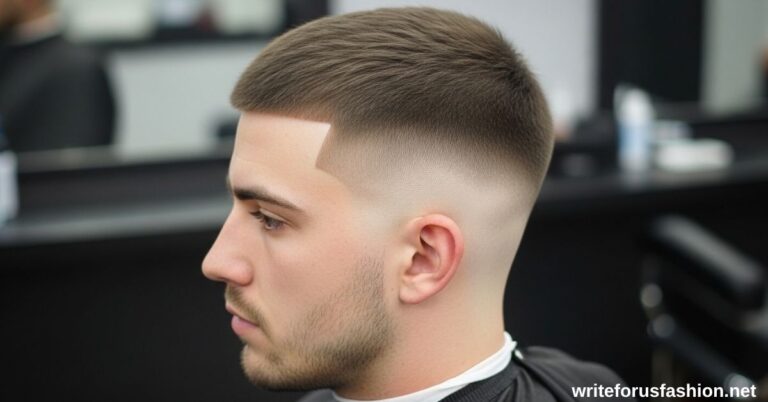
The two strand twist with fade combination has become one of the most requested styles in barbershops worldwide. A mid fade or high fade keeps the sides clean while the twists on top create a defined, textured crown. The contrast is the whole point. It’s sharp, modern, and incredibly photogenic.
Skin fades pair well with tighter, smaller twists for a really crisp overall look. Mid fades work with medium or chunky twists for a balanced profile. Either way, this combination communicates that you put genuine thought into your grooming routine.
Taper Cuts Paired With Two Strand Twist Men
Taper fade twist hairstyles offer a softer, more graduated transition than a full fade. The taper adds structure without sharpness, which reads as polished and professional. If you work in a formal environment but still want to express your natural texture, the taper and twists combination is the sweet spot.
The taper frames the twists well, directing the eye upward toward the crown where the real definition lives. It also extends the time between barber visits since the transition is more gradual and stays clean-looking longer.
Twists for Locs and Dreads
Starting Locs with Two Strand Twist Methods
A lot of men start their loc journey using two strand twists as the foundation. You install the twists throughout your hair, then leave them in without unraveling. Over weeks and months, the sections begin to interlock and mat at the root, forming the early stages of locs.
This method is popular because it gives an immediately tidy appearance while the locking process happens underneath. You don’t have to walk around looking unfinished during the starter phase. Your hair looks intentional and styled from day one.
Maintaining Twist Men Locs as They Mature
As your locs grow and mature, maintenance shifts. In the early weeks, avoid washing too aggressively as this can cause the twists to unravel before they’ve had a chance to set. Use a diluted shampoo or loc-specific cleanser and wash with gentle downward pressure.
Moisturize regularly. Locs can dry out quickly, especially at the tips. A light oil like jojoba or coconut applied at the roots and tips keeps things hydrated without attracting lint. Retwist the roots every few weeks to keep the parts clean as new growth comes in.
Twists for Different Hair Types
Twists for Coarse or Coily Hair Types
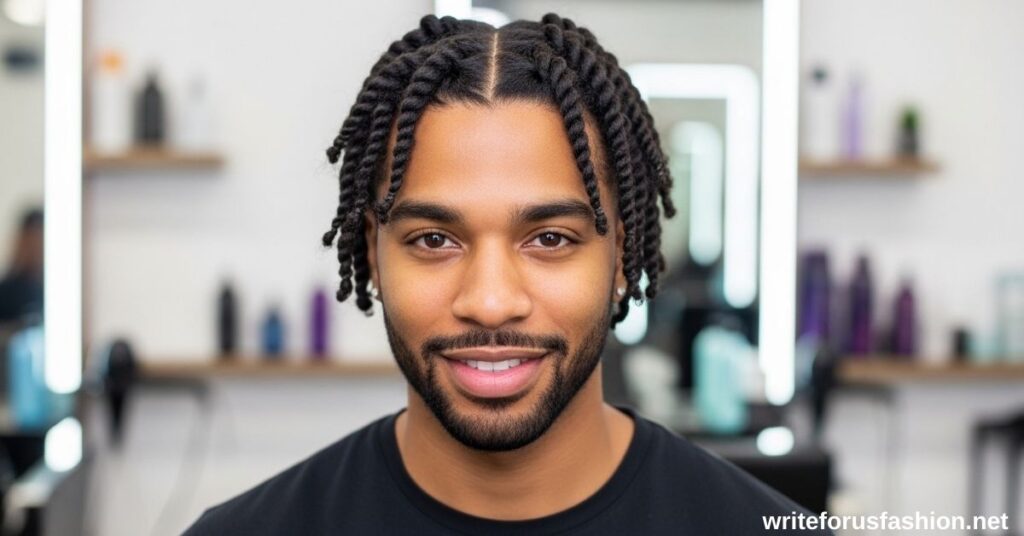
Coily, type 4 hair is the most natural fit for two strand twists. The tight curl pattern grips the twist naturally and helps it hold shape without much product. Coarse strands have enough texture to lock together at the cross points, which means your twists stay defined even as they age.
For coily hair, a shea butter-based twisting cream works exceptionally well. It adds moisture and definition without flaking or buildup. Twist on freshly washed, damp hair for the cleanest result.
Twists for Wavy, Soft, or Low-Density Hair Types
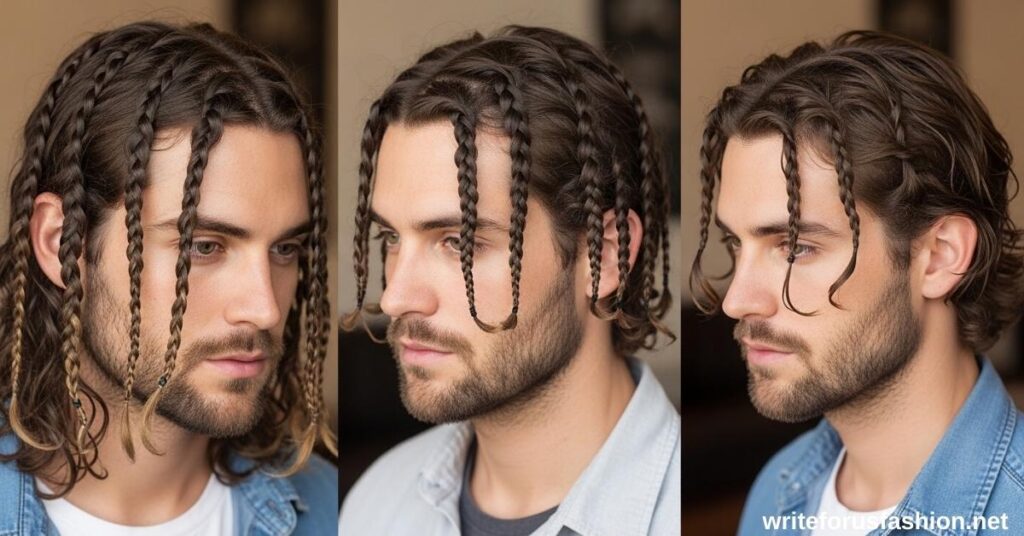
Wavy or softer hair types can still do twists, but they require a different approach. The natural texture doesn’t grip as tightly, so you’ll need a stronger hold product to keep the twist from loosening quickly. A gel or firm twisting cream is your best bet here.
Twisting on completely dry hair sometimes works better for softer textures because it reduces slip. If you have low-density hair, don’t try to force large sections. Smaller, tighter sections give a cleaner, more defined look that holds better over time.
Twists for Different Lifestyles
Active Lifestyles: Gym-Friendly Two Strand Twist Styles

Sweat happens. And if you’re hitting the gym regularly, you need a style that can handle it. Twists are genuinely gym-friendly. They stay in place during workouts, don’t need daily restyling, and look fine even after a sweaty session.
After working out, use a spray bottle with water and a drop of leave-in conditioner to refresh your twists. Press gently, don’t rub. A satin or silk durag worn during sleep and post-workout helps preserve the shape and reduce frizz significantly. You can go days between full restyling sessions, which fits perfectly into an active schedule.
Low-Maintenance and Professional of these Styles
One of the underrated appeals of two strand twists is how low-maintenance they actually are once installed. You’re not combing daily, not using heat, and not worrying about daily styling. A well-installed set of twists can last anywhere from one to three weeks with proper care.
For professional environments, medium or tapered twists send a clean, put-together signal. Pair them with a shape-up around the hairline and you’ve got a look that’s both natural and polished. More workplaces are embracing natural hairstyles today, and twists fit perfectly within that broader cultural shift.
Twists for Kids, Teens and Women
Gentle Low-Tension Twists for Kids

Kids’ scalps are sensitive. When installing twists on children, the most important rule is to keep tension low. Never pull tightly at the root, and avoid sections that are too small, which can put stress on delicate edges.
Use moisturizing products specifically designed for children’s hair. A detangling spray and a soft-bristle brush make the preparation phase much gentler. For daily maintenance, just keep the scalp moisturized and cover with a satin bonnet at night. Kid-friendly twists can last up to two weeks with basic care.
Trendy Styles for Teens
Teens are some of the most creative twist wearers out there. High top twists, colored twists, twists with designs shaved into the fade, twists styled into updos. The combinations are endless and genuinely expressive. For teens who are figuring out their personal style, two strand twists offer a flexible canvas.
Twists also give teenagers a break from daily manipulation, which is particularly helpful during a phase of life when hair health might not be the top priority. Install once, maintain lightly, and let the style do the work.
Shared Unisex Twists
Two strand twists aren’t exclusive to men. Many of the styles described in this guide translate seamlessly across genders. The classic medium twist, the high top, the triangle part, and the fade combination all work regardless of gender. What makes them unisex is the technique itself, not who’s wearing it.
This shared quality has helped two strand twists become a style conversation across communities, bringing people together around natural hair care and creative expression.
Care, Fixes, and Essentials for This Style
Maintaining Moisture and Longevity in Two Strand Twists
Moisture is everything. Without it, your twists will look dull, feel dry, and start to frizz faster than expected. The best approach is the LOC method applied before installation: Liquid (water or leave-in conditioner), Oil (a light natural oil), and Cream (a twisting cream or butter). Layering in that order seals moisture in effectively.
Between wash days, use a light water-based spray to refresh your scalp and twists. Every two to three days is usually enough. Follow with a very small amount of oil if your scalp feels dry. This simple routine keeps your twists looking freshly done much longer.
Fixing Common Twist Issues for Better Results
Frizz is the most common complaint. It usually happens when twists are disturbed before they’re fully dry, or when the hair wasn’t properly moisturized during installation. To fix frizzy twists, lightly dampen them with water, smooth with a small amount of gel or cream, and let them air dry undisturbed.
Unraveling at the tips usually means your hair wasn’t twisted tightly enough at the ends, or that your hair is at the shorter end of the length spectrum. A small dab of edge control at the tip during installation prevents this. If twists are already unraveling, simply re-twist those individual sections without disturbing the whole style.
Best Products for Clean, Defined Two Strand Twist Hairstyles
Your product routine doesn’t need to be complicated. For most men with natural hair, you need three things: a good leave-in conditioner, a twisting cream or butter, and a light natural oil. For coarser hair, shea butter-based creams work brilliantly. For softer hair, a water-based gel adds hold without heaviness.
Some popular and well-regarded options include Mielle Organics twisting soufflé, Camille Rose Naturals curl maker, and Eco Styler gel for a firm hold finish. Always do a patch test before using a new product all over, especially if your scalp is sensitive.
Modern Styling and Future Direction of Two Strand Twist Hairstyles
Everyday Styling Ideas for Two Strand Twists
Once your twists are in, the styling fun begins. On casual days, wear them loose and let them fall naturally. Pull them back into a puff or ponytail when you want them out of your face. Use a wide headband or durag wrap for a streetwear-influenced look.
As your twists age and loosen slightly, you can palm roll individual twists to tighten them back up. Or embrace the slightly undone look, which has its own relaxed, effortless appeal. Twists are incredibly adaptable, and that’s genuinely one of their best qualities.
Rising Trends in Two Strand Twist Styles
Natural hair for men is having a cultural moment right now. More men are ditching chemical relaxers, embracing their natural texture, and looking for styles that celebrate that texture rather than fight it. Two strand twists sit right at the center of that shift.
Colorful twists are gaining popularity, with men adding subtle honey highlights or bold copper tones before twisting. Asymmetrical styles, where twists are longer on one side, are also emerging. Geometric parts, intricate section patterns, and combined styles that mix twists with braids are all pushing the aesthetic forward. The style is evolving, and it’s doing so in exciting, creative directions.
Conclusion
Two strand twists for men offer something genuinely rare in the grooming world: a style that looks great, protects your hair, suits multiple textures, and adapts to every lifestyle and occasion. Whether you’re a first-timer curious about your natural texture or someone already deep into their loc journey, twists give you a strong foundation to work from.
Start with clean, moisturized hair. Get your sections right. Choose a style that fits your life. And give yourself grace during the learning curve. Once you get it down, two strand twists become one of the most reliable, expressive tools in your grooming routine.
FAQ’s
How long do two strand twists last on men’s hair?
With proper care, two strand twists typically last one to three weeks. Moisturizing regularly and wearing a durag at night extends the life of the style noticeably.
Can men with very short hair get two strand twists?
Yes, but you need at least 1.5 to 2 inches of natural hair. Anything shorter than that makes it difficult to form and hold a proper twist without it unraveling quickly.
Are two strand twists considered a protective hairstyle?
Absolutely. Twists reduce daily manipulation, protect the ends of your hair, and retain moisture effectively, all of which contribute to healthier, stronger hair over time.
Do two strand twists help hair grow faster?
Twists don’t directly accelerate growth, but they protect the hair you have from breakage and damage, which helps you retain length over time. That retained length can make it feel like your hair is growing faster.
What is the difference between two strand twists and dreadlocks?
Twists are a temporary style that you can unravel and redo. Dreadlocks are a permanent, locked style where the hair mats together over time. However, two strand twists are commonly used as a starting method to eventually create locs, which is why the two are often discussed together.

James Miller is a fashion writer and editor with over a decade of experience in style journalism, trend analysis, and brand consulting. His expertise spans luxury fashion, sustainable clothing, and cultural style movements. As the editorial lead at writeforusfashion, James combines creativity with credibility, ensuring content is accurate, engaging, and influential—building authority and trust in the ever-evolving fashion industry.