
Yellow Peel Benefits: Your Ultimate Glow Booster
Have you ever looked in the mirror and wondered why your skin looks tired, dull, or just… off? Maybe you’ve tried every serum and moisturizer on the shelf, but that healthy glow still feels out of reach. You’re not alone. Millions of people deal with stubborn pigmentation, acne scars, uneven tone, and fine lines that no over-the-counter product can truly fix. That’s exactly where yellow peel benefits come into the picture.
This isn’t just another skincare trend. Yellow peel treatment is a clinically backed, dermatologist-recommended procedure that’s been quietly transforming skin for years. It works deeper than your average facial. And the results? They speak for themselves.
What Is Yellow Peel Treatment?
Yellow peel is a type of medical-grade chemical peel that gets its name from its distinctive golden-yellow color. It’s derived from retinoic acid, which is a form of vitamin A, and it works by penetrating the deeper layers of your skin rather than just sitting on the surface.
Unlike more aggressive peels that cause visible flaking and days of raw, red skin, yellow peel is designed to work more gradually and gently. It’s left on the skin overnight, which allows it to absorb slowly and deliver more targeted results. Dermatologists often recommend it for patients who want professional-level skin renewal without the dramatic downtime.
It falls under the category of advanced cosmetic peels, and it’s particularly popular in dermatology aesthetic treatment circles for its versatility. Whether you’re dealing with melasma, acne scars, sun damage, or just dull and tired-looking skin, this treatment covers a wide spectrum of concerns.
Read More: Mesotherapy for Hair Loss: How This Scalp Treatment Helps Restore Thicker, Healthier Hair
Key Ingredients Used in Yellow Peel (Lactic Acid, Salicylic Acid, Resorcinol)
The magic of yellow peel lies in its formulation. It’s not a single-ingredient product. It’s a carefully balanced blend of active compounds that work together to resurface, brighten, and renew your skin from within.
Retinoic acid is the star of the show. It accelerates cell turnover, stimulates collagen production, and helps fade dark spots over time. Then there’s lactic acid, a gentle alpha hydroxy acid that exfoliates the outermost layer of dead skin while also pulling moisture into the skin. It’s effective for brightening and improving skin texture without being too harsh.
Salicylic acid plays a completely different role. It’s oil-soluble, which means it can go deep into your pores, dissolve sebum, and clear out the debris that leads to breakouts and blackheads. For acne-prone skin, this ingredient alone is a game-changer. Resorcinol rounds out the formula by targeting stubborn pigmentation and evening out discoloration, making it especially useful in pigmentation correction treatment.
Together, these ingredients create a synergistic effect that no single-ingredient peel can replicate.
How the Yellow Peel Works on Your Skin

Here’s the thing most people don’t realize. Skin renewal isn’t instant. Your skin goes through a natural cycle of generating new cells and shedding old ones, and as we age, that process slows down dramatically. Yellow peel essentially gives that cycle a hard reset.
When applied by a dermatologist, the peel penetrates the epidermis and reaches the upper dermis, the layer where collagen lives. It sends signals to your skin to ramp up cell production and start repairing damage. It’s not just exfoliation. It’s a biological nudge toward healthier, younger-looking skin.
The treatment is typically left on for several hours or overnight, and that extended contact time is what makes it different from superficial peels. More time on the skin means deeper action, better absorption, and more meaningful results.
How It Exfoliates Dead Skin and Boosts Collagen
Dead skin cell exfoliation is one of the most immediate effects you’ll notice. Within a few days of treatment, your skin starts to shed its outer layer, revealing fresher, softer skin underneath. This isn’t harsh peeling like sunburn skin. It’s more like a gentle, controlled renewal process.
At the same time, the retinoic acid in the formula is stimulating fibroblasts, the cells responsible for producing collagen and elastin. More collagen means firmer, plumper skin. It reduces the appearance of fine lines, improves skin elasticity, and gives your face that subtle bounce that’s hard to achieve with topical creams alone. This is why yellow peel is considered a genuine collagen stimulation treatment, not just a surface-level fix.
Yellow Peel Benefits for Skin Health
1. Helps Even Out Skin Tone
Stubborn hyperpigmentation. Sun damage. Old acne scars that refuse to fade. The Yellow Peel helps reduce all of them. Its active ingredients work beneath the skin’s surface to break down excess melanin. Over time your complexion becomes clearer, brighter and more balanced.
2. Improves Skin Texture
Rough patches and small bumps can make skin feel uneven. The Yellow Peel speeds up cell turnover which pushes fresh skin to the surface. As older cells shed away your skin begins to feel softer and smoother. The result looks almost airbrushed except it is completely natural.
3. Reduces Fine Lines and Wrinkles
Aging is natural and beautiful. However fine lines can make skin look tired. The Yellow Peel stimulates collagen production which helps improve firmness and elasticity. Skin becomes plumper and wrinkles appear less noticeable giving your face a refreshed look.
4. Helps Control Acne and Breakouts
Frequent breakouts can be frustrating. The Yellow Peel contains antibacterial properties that help prevent pimples from forming. At the same time gentle exfoliation removes buildup and unclogs pores. This process helps reduce acne and supports clearer skin.
5. Enhances Your Natural Glow
Healthy skin has a glow that makeup cannot truly copy. The Yellow Peel supports this natural radiance by removing dull surface cells. As fresh skin appears your face looks brighter more vibrant and full of life.
6. Improves Confidence
Your skin often shapes how you feel about yourself. When it looks clear and healthy you naturally feel more confident. The Yellow Peel helps improve skin appearance which can make stepping out without makeup feel easy and comfortable.
Improves Uneven Skin Tone and Reduces Pigmentation
Uneven skin tone is one of the most common complaints people bring to dermatologists. It’s frustrating because it’s incredibly hard to address without professional intervention. Foundation can cover it temporarily, but it doesn’t fix anything underneath.
Yellow peel gets to the root of the problem. By accelerating cell turnover and targeting melanin overproduction, it gradually breaks down areas of discoloration and replaces them with evenly pigmented new skin. Over time, your skin tone looks more balanced, clearer, and noticeably more radiant.
This makes it especially effective as a skin tone correction therapy for people who have tried topical treatments without satisfactory results.
How Yellow Peel Helps Treat Melasma, Age Spots, and Sun Damage
Melasma is one of the trickiest skin conditions to treat. It’s triggered by hormonal changes and UV exposure, and it tends to be stubborn, recurring even after treatment. Yellow peel for melasma treatment works by suppressing melanin synthesis while simultaneously exfoliating the pigmented cells sitting on the skin’s surface.
Age spots and sun damage repair treatment follow a similar principle. The retinoic acid and resorcinol in yellow peel break down accumulated melanin deposits, which are the dark patches caused by years of UV exposure. With consistent treatment, these spots fade meaningfully, and the overall complexion becomes more uniform.
It’s worth noting that sun protection is non-negotiable after this treatment. If you’re not wearing SPF daily, you’re essentially undoing all the progress.
Enhances Skin Texture and Smoothness
Run your fingers across your face. Does it feel rough, bumpy, or uneven? That’s often due to a buildup of dead skin cells, clogged pores, and sluggish cell turnover. Yellow peel addresses all three simultaneously.
As part of the skin resurfacing procedure, it removes the outer layer of tired, rough skin and encourages the growth of fresh new cells. The result is skin that genuinely feels smoother to the touch, not just softer from a moisturizer coating, but actually renewed at a structural level.
People with textural issues from past acne, scarring, or sun exposure tend to see some of the most dramatic improvements in this area.
Why Faster Cell Turnover Creates Softer Skin
Think of your skin like a constantly refreshing document. Old, worn-out cells sit on top until the body sheds them and new ones come up from below. When that process slows down, which it does naturally after your mid-20s, the surface starts looking dull and feeling rough.
Yellow peel essentially speeds that document refresh up. By pushing new cells to the surface faster and clearing out the old ones more efficiently, it creates a noticeably smoother texture. The new skin cells are more reflective, which is also why your complexion looks brighter after treatment. It’s not a trick of the light. It’s literally newer, healthier skin catching it differently.
Reduces Acne, Breakouts, and Acne Scars
If acne is your main concern, yellow peel deserves serious consideration. It works on multiple fronts simultaneously: reducing active breakouts, preventing new ones from forming, and fading the scars left behind by past ones.
The combination of salicylic acid and retinoic acid is particularly powerful here. While salicylic acid clears out the pores and reduces the bacteria that cause breakouts, retinoic acid speeds up the healing of existing damage and promotes healthier cell renewal. This dual action makes yellow peel a strong candidate as an acne scar reduction treatment and an active acne-prone skin treatment in one.
Many patients who have struggled with persistent acne for years find that a proper yellow peel treatment cycle brings the kind of improvement that countless topical products never could.
How Salicylic Acid Helps Unclog Pores
Salicylic acid is what makes yellow peel particularly effective for oily and acne-prone skin. It’s a beta hydroxy acid, and its oil-soluble nature allows it to cut through sebum and penetrate directly into the pore lining. Once inside, it dissolves the mixture of oil and dead skin cells that form blackheads and whiteheads.
It also has mild anti-inflammatory properties, which helps calm down red, angry breakouts while the rest of the formula works on deeper renewal. This pore cleansing treatment effect is one of the reasons dermatologists recommend yellow peel for people with consistently congested skin.
Minimizes Fine Lines and Improves Skin Elasticity
Fine lines are often the first visible sign of aging, and while they’re completely natural, most people would rather slow them down. Yellow peel targets fine lines through two main mechanisms: exfoliation and collagen stimulation.
By removing the surface layer of dead, dehydrated skin, it immediately improves the appearance of fine lines that are made worse by dryness and roughness. And by stimulating deeper collagen production, it works on the structural integrity of the skin over time. Skin elasticity improvement is gradual but measurable, especially with repeated sessions.
This is what makes yellow peel a legitimate anti-aging skin therapy rather than just a surface treatment.
The Role of Collagen in Anti-Aging Benefits
Collagen is the scaffolding of your skin. When you’re young, your body produces it abundantly. After your mid-20s, production starts declining, which is why skin begins to sag and wrinkle. Yellow peel signals the skin to produce more collagen by creating controlled micro-level stimulation through the retinoic acid pathway.
The new collagen that forms isn’t just cosmetic filler. It’s actual structural protein that makes skin firmer, more resilient, and better able to bounce back from expression lines and daily stress. This is the real science behind those before-and-after results you see with yellow peel for skin rejuvenation.
Yellow Peel Treatment Procedure Step-by-Step
Knowing what to expect before you walk into a clinic makes a huge difference. Here’s how a typical session unfolds.
Your dermatologist begins with a thorough skin assessment to determine your skin type, concerns, and sensitivity level. This helps them calibrate how the peel will be applied and how long it will stay on.
Preparation, Application, and Post-Treatment Care
In the preparation phase, your skin is thoroughly cleansed to remove all traces of makeup, oil, and impurities. Some dermatologists also apply a pre-peel solution to prime the skin and ensure even penetration of the peel.
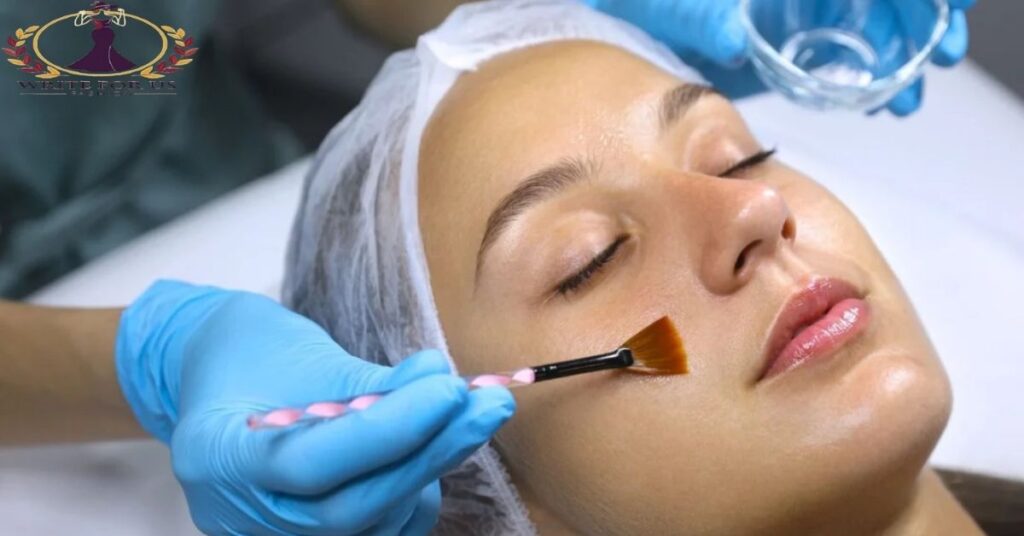
The yellow peel solution is then applied in thin, even layers. You might feel a mild tingling or warmth during this step. That’s normal. It usually takes just a few minutes to apply. Unlike many other chemical peels, yellow peel is not neutralized and washed off immediately. It’s left on the skin for several hours or overnight to allow deeper penetration.
Post-treatment care is critical. You’ll be advised to avoid sun exposure, skip active skincare ingredients like retinol and AHAs for a few days, and keep your skin well-moisturized. Some mild redness, peeling, and sensitivity are expected for three to five days following treatment. This is part of the skin renewal facial treatment process, and it’s completely normal.
Your dermatologist will also recommend a follow-up schedule and specific products to support healing and maintain results.
Yellow Peel Cost and Number of Sessions Required
Yellow peel treatment cost in India typically ranges from around 1,500 to 5,000 rupees per session, depending on the clinic, the dermatologist’s expertise, and the city you’re in. Metro cities like Mumbai, Delhi, and Bangalore tend to be on the higher end of that range.
Most dermatologists recommend a series of four to six sessions spaced two to four weeks apart for optimal results. The number of yellow peel treatment sessions you’ll need depends on the severity of your skin concerns. Mild pigmentation or dullness might respond well in three to four sessions, while deeper scarring or melasma may require a longer course.
The good news is that each session builds on the previous one, so results keep improving throughout the treatment cycle. Many patients continue with maintenance sessions every few months after completing their initial course.
Possible Side Effects and Safety Tips Before Treatment
Yellow peel is generally well-tolerated, but like any professional skin treatment, it does come with some considerations. Yellow peel side effects are usually mild and temporary.
Common ones include redness, dryness, and light peeling in the days following treatment. Some people experience mild itching or increased sensitivity to sunlight. In rare cases, particularly in people with very sensitive skin or who don’t follow post-care instructions, there can be temporary darkening of treated areas before they lighten.
To minimize risks, always get the treatment done by a qualified dermatologist rather than at an unregulated beauty salon. Do a patch test beforehand if you have sensitive skin. Avoid the treatment if you’re pregnant, breastfeeding, or currently using oral retinoids. Always inform your dermatologist about any medications or skin conditions you have.
SPF is your best friend during and after treatment. Yellow peel recovery time is relatively short, usually around five to seven days of visible peeling, but your skin remains more photosensitive for several weeks. Skipping sunscreen during this period can lead to new pigmentation, which is exactly what you’re trying to fix.
FAQ’s
How many sessions of yellow peel do I need to see results?
Most people start noticing improvements after two to three sessions. A full course of four to six sessions typically delivers the best and most lasting results.
Is yellow peel safe for dark skin tones?
Yes, it’s considered one of the safer chemical peels for deeper skin tones when performed correctly by a trained dermatologist. Always do a patch test first.
Can yellow peel be done at home?
No. Yellow peel contains prescription-strength retinoic acid and should only be administered by a qualified dermatologist to ensure safety and effectiveness.
How long does yellow peel treatment recovery take?
Most people experience mild peeling and redness for about three to seven days. Full skin recovery and visible brightening usually happen within ten to fourteen days after each session.
Is yellow peel the same as a regular chemical peel for the face?
Not exactly. While it falls under the broader category of chemical peel for face treatments, yellow peel uses retinoic acid as its base, making it distinct in how it works and how long it’s left on the skin compared to standard AHA or TCA peels.

James Miller is a fashion writer and editor with over a decade of experience in style journalism, trend analysis, and brand consulting. His expertise spans luxury fashion, sustainable clothing, and cultural style movements. As the editorial lead at writeforusfashion, James combines creativity with credibility, ensuring content is accurate, engaging, and influential—building authority and trust in the ever-evolving fashion industry.